
The year of transition to a 100% phygital e-commerce ecosystem
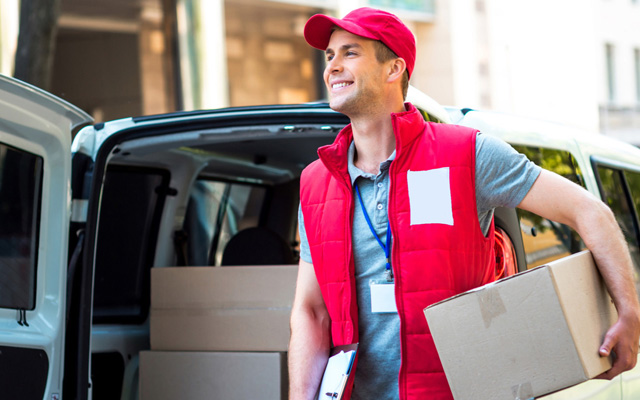
Issues such as sustainability, delivery flexibility and payment methods, but also new sales channels, are just some of the hot topics that will be discussed this year around e-commerce, a sector in constant evolution. The digital consumption model predicts 2022 as the year of transition to a 100% phygital ecosystem, in which traditional and e-commerce will coexist without directly competing with each other.
If 2020 was the year of the year for e-commerce, with a turnover of 51.600 million euros, according to CNMC figures, equivalent to 4.6% of Spain's GDP, 2021 was the year of the sector's consolidation;of the sector, with figures that have maintained the upward trend during the first months of the year, although without such high growth and awaiting the final data for this year.
Everything suggests that the upward trend of eCommerce will continue in 2022, underpinning its definitive consolidation. Internet shopping is no longer a taboo for Spaniards, as Packlink identified in its survey on consumer habits, published last November, in which 80% of respondents said they had made at least one online purchase in the last month.
The digital consumption model is here to stay and 2022 is the year of the transition to a 100% phygital ecosystem, in which traditional and e-commerce coexist without competing directly with each other.
Issues such as the sustainability, the flexibility in deliveries and payment methods, but also new sales channels, are just some of the hot topics that will be discussed this year.
Meanwhile, on the horizon, the first steps of the metaverse or the virtual reality are beginning to be glimpsed, which may be installed in everyday life sooner than you think. In the meantime, what are the trends that will have a real impact in 2022?
Sustainability.The e-commerce sector has been increasing its efforts in terms of sustainability and environmental care for years. For example, considerably reducing the use of plastics for packaging or the introduction of recyclable or reusable packaging, focused on a circular economy model.
Although one of the main action fronts for 2022 will be more linked to delivery. The fleets of the main parcel and delivery companies have accelerated their transition to electric vehicles, and if it is already common to see bicycles or motorcycles using this technology, soon it will be larger vehicles.
The key? Consumers value it and even reward it. According to Packlink's latest report on Europeans' consumer habits, 75.6% of respondents factor a brand's environmental and social commitment into their online shopping choices, and 63.9% say they would be willing to pay extra for environmentally friendly packaging and shipping.
New payment methods, with greater flexibility and facilities. If until recently the possibilities were limited to card payments or the use of PayPal, the irruption of Bizum in the eCommerce sector could turn payment methods upside down. And this is just the beginning, because the fintech sector is currently one of the most prominent, especially in our country.
Among the main novelties, in addition to immediate payments and through mobile devices that Bizum already integrates in eCommerces, applications and financial solutions are also beginning to emerge that will allow split payments without commissions.
Quick Commerce. It arrived in Spain last year and, for the moment, its incursion is being quite well accepted. Being able to receive online purchases in a few minutes at home has become a reality in a matter of months and its number of users is growing steadily. And although there are still doubts about this model of trade, mainly linked to the ultra-fast, everything seems to indicate that this year will be the one of its expansion and that it will gradually become more common in medium-sized cities and provincial capitals.
Click & Collect. Actually, it's nothing new. Convenience points, or drop-sites allow you to pick up packages at sites previously agreed upon with the seller, such as the stores themselves, supermarkets, logistic centers or post offices. Although this practice is fully extended in the rest of Europe, in Spain it continues to be a minority option.
Everything indicates that the trend will begin to reverse in the coming months. Its undeniable environmental and privacy advantages, as it is not necessary to share the address, as well as the flexibility in collection, indicate that these points will soon begin to flourish in our country.
Social networks. The sales channels are evolving by leaps and bounds, and Web 2.0 seems that soon will be the headquarters of eCommerce, but the chances of the customer to reach the product will grow enormously.
The first step is social networks, especially Facebook and Instagram, which have become new marketplaces that make the consumer experience more intuitive: through videos, product reviews and the possibility of buying without intermediaries, social networks will be a trend not only in 2022 but also in the following years.
In this sense, what is making inroads in Social eCommerce is Live Commerce: no more product photos, but videos and virtual tours that let you know all the specifications and uses through livestreams and tutorials where you can ask questions and with direct links to the store's website.
“The eCommerce is a sector in constant evolution and very demanding in this regard. Professionals in the sector must constantly update our knowledge and tools. But the key is that this allows us to know our customers and users better and better. And the order is clear, we must streamline, simplify and make the way we approach them more sustainable," he concludes.