
Why Do Some Hotels Smell So Good? The Invisible Business of Scent Marketing
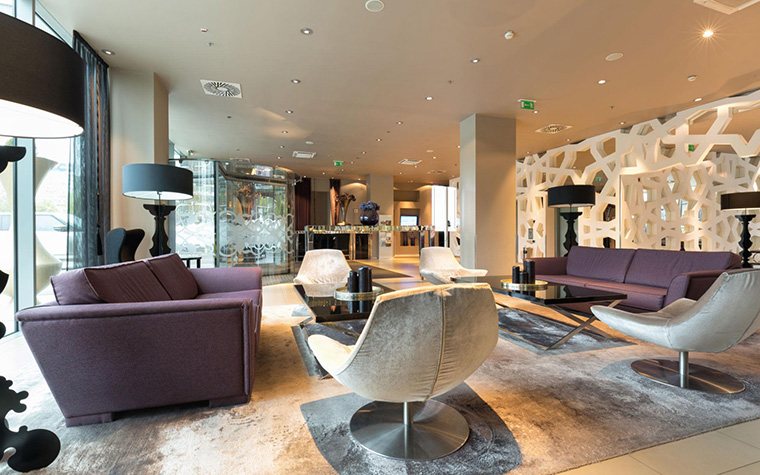
There are experiences that linger in your memory long after you?ve left a hotel. Sometimes it?s a spectacular view, an exceptionally comfortable bed, or a memorable breakfast. Other times, however, the memory is linked to something much harder to describe: a scent.
Many travelers can recognize certain hotels the moment they walk through the door because of the scent they notice in the lobby. This is no coincidence. Behind that first impression lies an entire strategy known as scent marketing, a discipline that uses scents to reinforce brand identity and enhance the customer experience.
Smell is one of the most powerful senses when it comes to creating memories. While an image or a sound may fade over time, a scent can instantly transport us to a specific place, even years later.
Experts in neuromarketing explain that olfactory stimuli are closely connected to the areas of the brain associated with emotions and memory. That?s why a hotel?s scent can subconsciously influence a guest?s perception of the establishment. The sense of cleanliness, exclusivity, relaxation, or well-being can begin to take shape long before guests even reach their room.
An invisible signature
Just as major chains pay close attention to their interior design, background music, and lighting, many have developed exclusive fragrances that function as a true corporate signature. The goal is not for the customer to consciously identify the scent, but rather to associate it with a positive and distinctive experience.
Citrus notes typically convey freshness and energy. Woody scents evoke elegance and sophistication. Lavender or certain floral essences help create relaxing atmospheres, while some seaside-inspired combinations aim to reinforce the feeling of escape and vacation. Each hotel seeks to project a distinct personality through its scent, making it another element of its value proposition.
Although the lobby is usually where scent marketing is most evident, its use extends to many other spaces. Some establishments scent hallways, elevators, wellness areas, or meeting rooms. In the MICE segment, certain hotels use specific fragrances to create more pleasant atmospheres during conferences, conventions, and corporate events.
The strategy also extends to seemingly secondary elements such as amenities, candles, diffusers, or welcome products that help prolong the emotional connection with the brand even after the stay has ended. It?s no surprise that some guests want to take home the same scent they associated with a positive experience during their trip.
The influence of scents on people?s behavior has been extensively studied in sectors such as retail, the automotive industry, and hospitality. A pleasant environment can increase dwell time in certain spaces, improve the perception of service, and help create a more satisfying experience. In an increasingly competitive hotel market, where many establishments offer similar levels of comfort and amenities, sensory details have become a powerful tool for differentiation.
Scent marketing is no longer exclusive to hotels. More and more corporate events are incorporating sensory strategies to reinforce messages, create immersive environments, or strengthen brand recall. From product launches to incentive trips, scent is becoming one of the elements that help create memorable experiences for attendees.