
Subscription-based payment and new mobility services
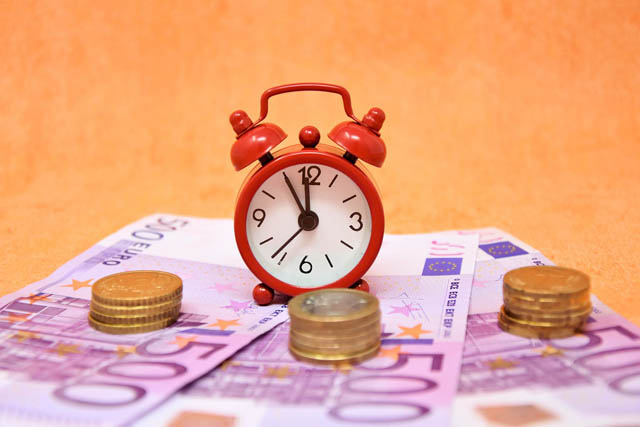
Like many other industries and markets, the mobility services market is also constantly evolving. Transportation brands and automakers, among others, are now offering more creative services and products. Thanks to these transformations, new forms of consumption are emerging, and subscription is one of them.
Just like the planets when they align, many par aacute;meters seem to have coincided in time to drive the transformation of the transportation and the automobile industries. As a consequence, there is powerful competition among long-distance travel companies (low-cost airlines, car-sharing systems and buses replacing trains), but also among everyday transportation companies.
This aspect also meets the new needs of providers, often linked to the millennial generation, but reaching an important part of the working population that leads an urban lifestyle and seeks freedom of use, instantaneity and personalized services.
In other words, providers have to adapt to the moment and now offer a form of consumption that matches the speed offered by the Internet when acquiring a service or product.
It seems that airlines, train or car manufacturers understand that their future is no longer to sell a trip or the resources that go with it, but rather to sell a true end-to-end mobility experience. The motto is: ¡ease and freedom!
The similarities with the hotel industry, which has already gone through a similar transformation, show how the more conservative members of the industry are open to new offerings and ways of marketing them.
Among these innovations is pay-per-subscription, a form of consumption that stands out for its ability to adapt to all types of products or services.
Subscription meets customers' expectations according to their needs, in addition to meeting companies' expectations in terms of subscriber lifecycle value or even finances. It allows them not only to win customers, but to sell each unit of product (a transport ticket, a vehicle…) and avoid unnecessary losses.
Before underwriting, the way to meet these expectations was performance management. For example, a train ticket purchased off-peak and in a less expensive seat costs less than a first class ticket purchased for the most requested schedule. Another example would be how a car can have different price levels depending on the extras added by the customer.
At the end of the day, the two techniques seem to reconcile. Many multibrands offer different méall, similar to options, which allow to establish a low base price to then raise it according to the options a adidas by the consumer.
It is precisely from these major transformations that new forms of consumption are born. However, there is something that does not change and that is the fact that we pay for what we consume. What can change and is changing are the payment habits. Thanks to new technologies, payment industry players can now provide facilities to their customers adapted to new business models and companies, for example with platforms that simplify processes and can integrate various means of payment.