
Wireless headphones, an effective remedy against jetlag
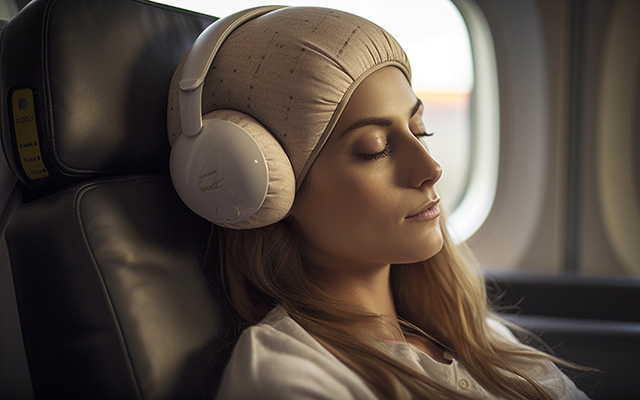
Jetlag can be a real setback in travel, a serious constraint on many occasions. However, technology offers an unexpected solution: wireless headsets. According to a survey conducted by CHUBB and a study by PreciseWords, these devices may be essential to eradicate this nuisance.
Jetlag, also known as desynchronosis, is a temporary sleep disorder that occurs when your body's natural sleep-wake rhythm, or circadian rhythm, does not match your current time zone.
Rapid, long-distance travel affects your biological clock, causing symptoms such as fatigue, insomnia and gastrointestinal problems. This can significantly condition the travel experience, both leisure and business.
A study by the American Academy of Sleep & Sleep Medicine (AASM) reveals that more than 94% of long-distance travelers experience jetlag at some point. There are several remedies, from adjusting sleep patterns to taking melatonin, but none have offered a definitive solution. Until the idea of wireless wireless headphones came along.
There are several ways in which these devices act positively:
Personalized audiobooks and podcasts
Quiet, slow-paced audio content can work like a sleep aid, ultimately helping to reduce the symptoms of jetlag.
Noise cancellation
They block out ambient noise, allowing for undisturbed sleep and preventing jetlag, according to an article in Wired. Several customer reviews on an Amazon page also back up this claim, indicating that they were able to travel comfortably with their wireless headphones.
Drag interruption
According to a National Library of Medicine study, applying binaural beats through headphones adjusts your brainwaves, reducing the feeling of jetlag.
Stimulatory response
According to research from the Sleep Foundation, specific sound frequencies can stimulate the production of hormones such as melatonin, which helps the body adapt to new sleep cycles. According to Healthline, sleeping while traveling can prevent jetlag.
Relaxation
The National Library of Medicine indicates that soothing music or sounds can facilitate relaxation, promoting better sleep. They also claim that sleep can help prevent jetlag.
Dominic Wyatt, an expert with the International Drivers Association adds other tips for fighting jetlag: stay hydrated, drinking water frequently; exercising before the flight can minimize; follow a balanced diet to speed up the body's adaptation process; choose the right flight, preferably those arriving during the day to synchronize with the natural circadian rhythm; and plan the trip in advance, adjusting the sleep schedule a few days before departure.