
The 5 holes through which cybercriminals sneak into online bookings
According to the World Tourism Organization, during 2018, 82% of travelers booked on websites offering packages, rather than contacting hotels or airlines directly. And the percentage continues to rise. The Internet makes it possible to plan trips easily, but the process is not without risk. Users provide highly confidential data.
The global travel industry's dependence on the Internet means that there are security breaches.
There are certain steps we can take to protect ourselves from hackers while on vacation, though.
FALSE OFFERS
Scammers use fake websites where they offer packages with extremely eye-catching prices that catch the user's attention. When customers try to proceed with the booking and provide their credit card details, their information is hacked.
To prevent this from happening look out for the following see: Fake travel offers usually require payment in advance without written authorization. They also do not specify either the name of the airline or the hotel and often use words such as "complimentary" and "free". Before booking a suspiciously cheap vacation it is good to check for these clues or go to the comments of other users on the Internet.
PHISHING
Travellers also often receive fake e-mails with a completely normal appearance. In these emails personal information is requested, there are invitations to online contests, very low cost travel offers or free products. phishing also often asks the user to pay a speeding ticket after having driven a rented car.
Travelers can be scammed because they do not always check the mailing address or the accreditation of the supposed travel agency. To prevent this from happening, it is recommended to always check the sender's e-mail address, the web page, the graphic elements included, possible grammatical errors, etc. In case of doubt, it is advisable to call your travel agency and confirm the identity of the sender.
INSECURE WIFI
Due to the high costs of using mobile data abroad, most tourists use public wi-fi networks. Unfortunately, these networks are a great threat to the traveler's confidential information. Session hijacking is also very common: hackers connect to a public network and track all online activity of users on another network.
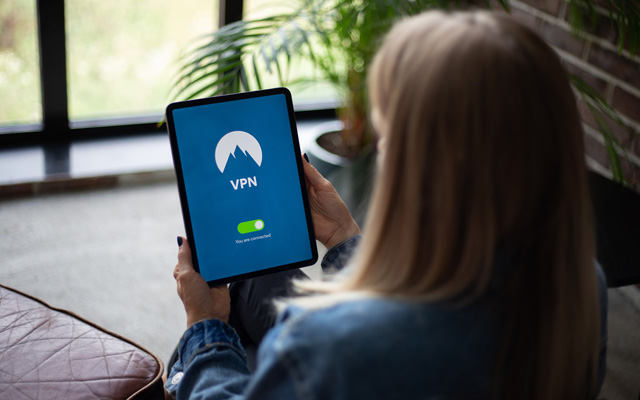
Thus, travelers provide hackers with their social network accounts, photos, passwords and bank details. The best way to prevent this from happening is to install a trustedVPN, such as NordVPN, which redirects your data via an encrypted virtual tunnel.
CENSORSHIP ON THE INTERNET
When traveling abroad it is possible that access to preferred online content, streaming websites or social networking platforms is not available. This is because some countries prohibit access to certain websites for political reasons, or because some websites allow their content to be accessible only in certain parts of the world. For example, China restricts access to several social networks, such as Google Maps and other websites that are very useful when traveling.
Installing a VPN can be a solution to this problem, since it offers a quality service that allows access to the disabled online content.
HARASSERS ON SOCIAL NETWORKS
Many travelers are quick to upload their vacation photos to social networks to keep family and friends up to date on their movements. Some hackers and other types of criminals can track to find out when the user is away on vacation. It is better to wait until you return from vacation to share the best moments of your trip. It is also possible to send the images privately.