
European Digital Wallet, the system to replace ID cards, cards or reservations
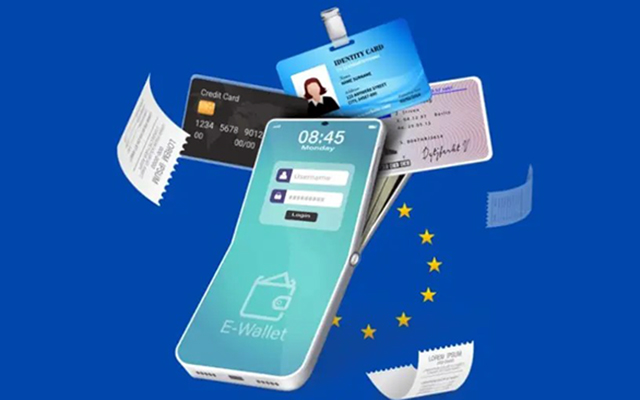
The year 2026 is just around the corner, the year in which the European Digital Wallet, a personal digital wallet with which citizens and businesses in EU member states will be able to securely store and manage their identity digitally, is expected to debut. The EU Digital Identity Wallet will provide a secure, reliable and private means of digital identification for all Europeans.
The idea is that each member state will provide at least one wallet to all its citizens, residents and companies, which will allow them to prove who they are and store, share, sign and seal securely important digital documents.
It is a new digital way to have all our identity, health, banking, academic, tourism, leisure or consumer data at hand in a much more personal, non-transferable and secure way, which will change the way we will carry out any administrative activity.
Obtaining a new bank account, enrolling in a university abroad or applying for a job will be as easy as secure. And always respecting privacy, as it will be the users themselves who control what data they share and who can use it in each case.
Thanks to this Digital Wallet, European citizens will have in the palm of their hand a digital version of the DNI designed mainly for online identification, called Personal Identification Data (PID), which will contain a set of personal information that will be used to identify them;s), which will contain essential identifying attributes such as last name, first name and date of birth, as well as other documents, such as driver's license, certificate of residence, and other credentials issued by private entities, such as banks, airports and hotels.
It also allows you to securely store and share, for example, educational and academic credentials, a health ID to access prescriptions at the pharmacy, your health insurance card, and social security data;
All your medical insurance card and social security data, which can be verified even abroad, and perform other everyday tasks more easily, such as registering a new prepaid SIM card that you have just received.
Last but not least, this wallet will allow doing business in a smoother way, thanks to the secure digital signature of contracts.
Private-Public-Private Consortia
The European Commissionco-funds 4 public-private consortia across the EU to carry out large-scale pilot projects.
These consortia have the mission to launch pilots to test and develop the different everyday uses of the European Digital Wallet according to the timelines imposed by the Commission.
One such consortium is the EU Digital Wallet Consortium (EWC), made up of several member states, with Sweden and Finland as coordinators, companies from all 27 EU member states, 41 strategic partners and 35 other associate members, seeking to successfully leverage the benefits of the proposed EU digital identity for cross-border travel.
The other three consortia working on the European Digital Wallet are:
Pilots for the European Digital Identity Wallet (Potential), which aims to foster innovation, collaboration and growth in six digital identity sectors: government services, banking, telecommunications, mobile driving licenses, e-signatures and healthcare.
Digital Credentials for Europe (DC4EU), which provides tangible support to the public and private sectors in education and social security through the deployment of and access to trans-European infrastructures for interoperable, state-of-the-art digital services and their integration in a framework of cross-border trust.
NOBID, a group of Nordic and Baltic countries that, together with Italy and Germany, will test the use of the European Digital Wallet for user authorization of payments for products and services.
The implementation of this innovative system is also based on the fight against fraud, an invisible crime that is widespread in the Eurozone, where every year an increasing number of consumers are subject to sophisticated scams, both online and offline.