
Recommendations for organizing a successful small meeting
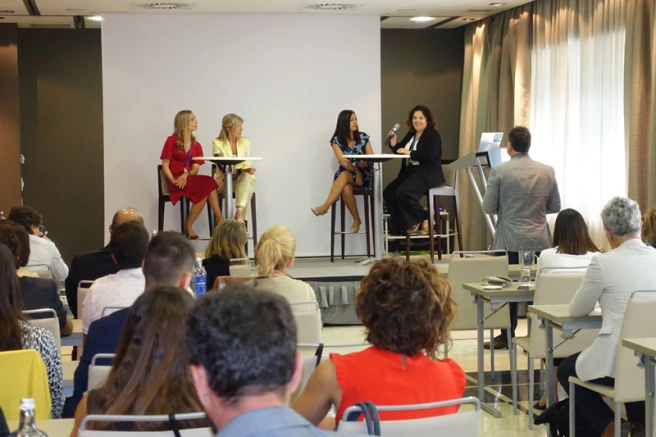
Small meetings are a real value contribution to the MICE industry. This is not a passing fad, but a well-established, accepted and necessary practice. These small-format events, which in most cases are carried out with local clients and with their own characteristics, have experienced a great growth in recent years, so they require special attention. Here are a few recommendations for your organization.
?What exactly are we talking about when we refer to small meetings? Among other examples of typology, they include meetings with opinion leaders to discuss topics of interest to the client, analyze case studies for future research or promote a particular product.
Their characteristics include:
– A small number of attendees at the meeting.
– Local attendees, so they usually do not bring accommodation.
– Minimal travel services.
– Lower costs.
– Short duration, between half a day and a full day.
– Meetings focused on a very specific client product or a specific topic.
The differences of the small meetings
with respect to the congresses are evident, since the latter are intended for a whole public of the same sector where the duration is long, it is held outside their cities of residence and many topics are discussed, usually with the assistance of professionals from several countries. Sometimes there is a certain connection between both formats, because many congresses publish the studies that have been carried out in previous smaller meetings.
Given the peculiarities of these events, some recommendations should be taken into account when organizing them:
Location. An essential factor, since proximity is important in these cases. It is necessary to look for well-located spaces with good accessibility, especially by public transport.
Subject. Identify the content very well so that attendees know in advance if the meeting will be beneficial to their interests.
Participants. In a small format, it is even more important than in large meetings to identify the potential attendees and invite them with enough time to organize themselves.
Agenda. Time is money in this type of meetings. That is why the agenda has to be very well detailed and comply with the timing at all times.
Restoration. Another key element. The chosen catering should be light so as not to excessively disrupt the development of the session.
Restauration.