
Minibar, some curiosities about this tempting roommate
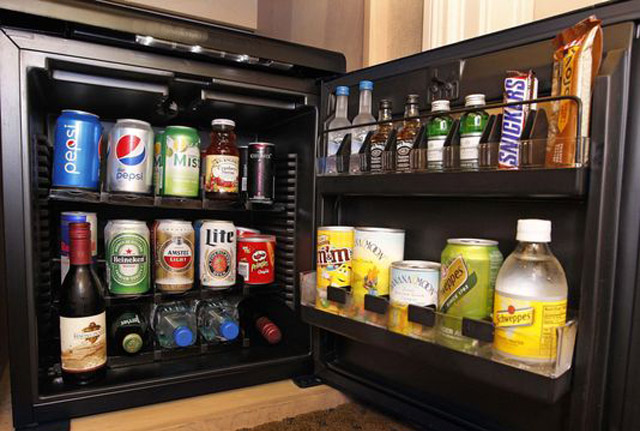
The evolution of the minibar, that appliance that has been integrated in the rooms of four- and five-star hotels for 60 years, has aroused both supporters and detractors, but the truth is that it exists by regulation and constitutes an added value for the client. Taking care of even the smallest detail in a hotel is essential, something that also extends to other devices, such as kettles and coffee makers, so that the well-being of the guest is always guaranteed.
Any hotel night can become an experience in itself. For this reason, establishments are increasingly aware of the need to get involved in their guests' lives to make them feel more at home than ever.
All this contributes to silence, good gastronomy, personalized attention, decoration, comfort and, of course, a discreet but irreplaceable protagonist, a hotel classic that remains in the rooms in an indisputable way: the minibar.
Some have “respect” for its famous high price and dare not even approach it; others profess a certain “curiosity” and, although they open the door, they prefer not to touch anything, and the rest cannot resist the temptation to quench their thirst by simply reaching out their hand or indulging in the nightly craving for a chocolate bar, for example.
60 years of life
The first hotel to incorporate it was the Madison of Washington in the 1960s. The minibar was installed and was considered an innovation and an incredible service available only to the most luxurious places. At first, this "drawer of secrets" contained only food, but in the 1970s alcoholic beverages were added to it. The first hotel to do so was the Hong Kong Hilton, and since then, the possibilities of the minibar are almost endless:smoothies, soft drinks, mixed drinks, chocolate, nuts, snacks and even sandwiches appear on the menu. As a rule Despite our belief that they are a rip-off for the customer, the truth is that they do not represent such a high level of income for hotel establishments nor are they by their will. Regulations require that there be a minibar in every room of four- and five-star hotels. In fact, in many hotels it is a deficient service that, nevertheless, must be guaranteed. In addition to the purchase of the appliance, there is the maintenance and control to replenish the items. Conflicts with payment Customers' tricks to avoid paying for their encounters with the minibar range from refilling alcohol bottles with water to denying that they have consumed anything when they check out. Some chains employ a more advanced and technological system, such as motion sensors to monitor consumption. In this way, the charge is added directly to the customer's bill. More infusions than alcohol In the beginning, the convenience of having a refrigerator in which to prepare a drink during their breaks was vital. But now, customers at Hoteles Center, for example, confess that they are more than happy with the coffee and tea service available in the rooms and associate tea or coffee with moments of relaxation rather than alcohol. In short, although it may seem expensive, the minibar offers a convenient, fast and varied service. The customer can find what he needs in his hotel room after a day of business meetings away from home. And that also comes at a price. .