
Smaller rooms, larger lobbies: this is how hotels are changing
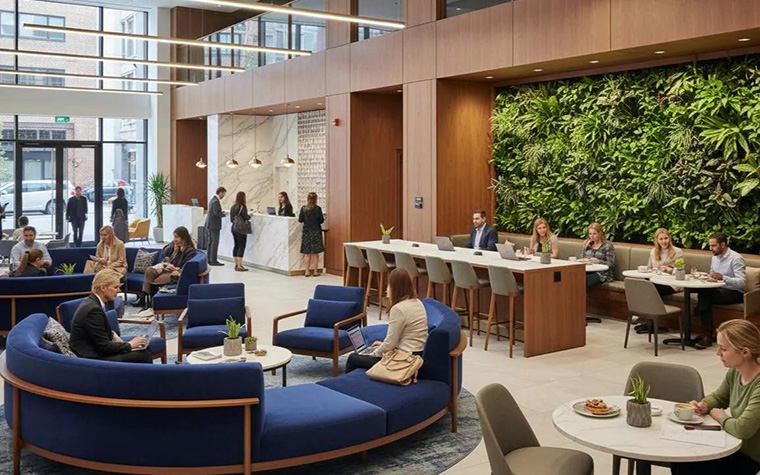
Large desks, traditional wardrobes, and some accent furniture are disappearing from certain hotel rooms. This is no coincidence: new hotel concepts are focused on reducing private space and shifting part of the guest experience to lobbies and common areas that are becoming increasingly versatile.
It?s becoming increasingly common to walk into a hotel room and find only the essentials: a comfortable bed, a bathroom, a TV, and little else. While some furniture is falling by the wayside, a few floors down the lobby is no longer just a place to pass through but has become a workspace, a café, a bar, and a gathering spot.
This is not a widespread trend across the entire hotel industry. The extent of this trend depends on the country, the hotel category, the location, and the type of establishment. However, certain urban hotels and new accommodation concepts are indeed opting for more compact rooms.
In Europe, a hotel room has an average area of approximately 16 square meters, although there are significant differences between countries and categories. In some new-generation establishments, the dimensions can be even smaller.
Every centimeter counts
Reducing square meters forces a rethink of the furniture layout. We?re seeing folding tables, under-bed storage, open shelving instead of large closets, and multifunctional furniture. The traditional desk is one of the elements most likely to take a back seat.
There is an economic reason: a more compact room allows for better use of building space?especially in cities where land is expensive?and enables a greater number of rooms. But there is also a shift in how hotels are conceived.
Some of the functions that were previously concentrated in the guest room are now being moved to the common areas. The new lobbies feature tables with power outlets, sofas, workspaces, cafés, bars, and informal areas for meeting or relaxing.
Less square footage?does that mean less comfort?
Not necessarily. Precisely because there is less space available, design takes on greater importance. The layout, lighting, mirrors, custom furniture, and hidden storage can make a small room functional without feeling cramped.
Not all hotels are following this trend, however. Luxury establishments, resorts, and family-friendly accommodations cater to different needs and, in many cases, continue to use spacious rooms as a key differentiator.
Rather than seeing the disappearance of large rooms, we are witnessing a new way of allocating square meters in certain hotels. The room is now focused on resting, sleeping, and personal hygiene, while part of the life that used to take place within its four walls has shifted to the common areas.
So, the next time a guest misses that large desk or the familiar closet, perhaps the space they?re looking for is a few floors down, in the lobby.