
Cohoteling, the new trend in high-end hotels
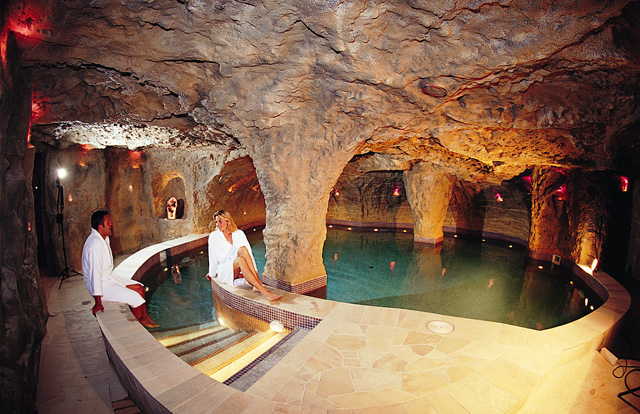
Within the complicated situation that the hotel sector is experiencing in Spain due to the pandemic, hotels in the luxury sector have seen in the day client, the one that does not stay overnight, an alternative to cushion the fall in their turnover due to the absence of tourists. According to an analysis carried out by Hotelbreak, these establishments have increased by 35% in this way.
Woman of 35 years, resident of proximity and who spends an average of 54 euros per activity. This is the profile of the customer who enjoys the facilities of a hotel, but does not sleep in the hotel. The trend is known as cohoteling.
Many establishments find it more expensive to close the facilities than to leave them open, so they have seen in cohoteling a way to make their spaces profitable without extra cost and a formula to obtain a significant source of income. So much so that around 60% of the customers who make use of the spaces for services are daytime customers, i.e. locals or tourists of proximity. Leisure is the main motivation for enjoying these facilities: swimming pools, spas, restaurants, gyms, wellness treatments…
Before the pandemic it was unusual to find customers in hotels who were not guests, except for those who made use of the meeting rooms. The absence of tourists has led many people to move their leisure to luxury hotels. They are spaces that offer a safe time and an alternative that provides new and exclusive experiences in nearby environments that were previously inaccessible.
According to an analysis conducted by Hotelbreak among more than 7.000 customers of this platform, the typical portrait of the daytime customer is a woman, about 35 years old, who lives in big cities such as Madrid, Barcelona, Gran Canaria, Mallorca or Valencia and who goes to this type of establishments in search of exclusive experiences. The most common period to make use of the hotel facilities or services is concentrated from Thursday to Sunday, with an average of between 3 and 5 hours per activity.
With respect to the most demanded plans, a distinction must be made between urban hotels and those located on the coast. In the former, the most requested experience is the spa circuit with massage during the winter and the use of the swimming pool in the summer. As a second option we find the brunch on rooftops overlooking the city, very popular at any time of the year. In coastal hotels, customers opt first for a daypass —day pass to use all hotel facilities— and secondly, the reservation of Balinese beds with sea views and lunch included.
In relation to the number of people making use of these plans, there is also a difference between urban and holiday hotels. In the former, the average number of people per plan is two, while in the latter, the number rises to four. In either case, the average ticket per activity is 54 € per person to which must be added an expense of 22 € for extra consumption in the hotel.
The average ticket per activity is 54 € per person .