
The Pope's visit highlights the strength of Spain's events industry
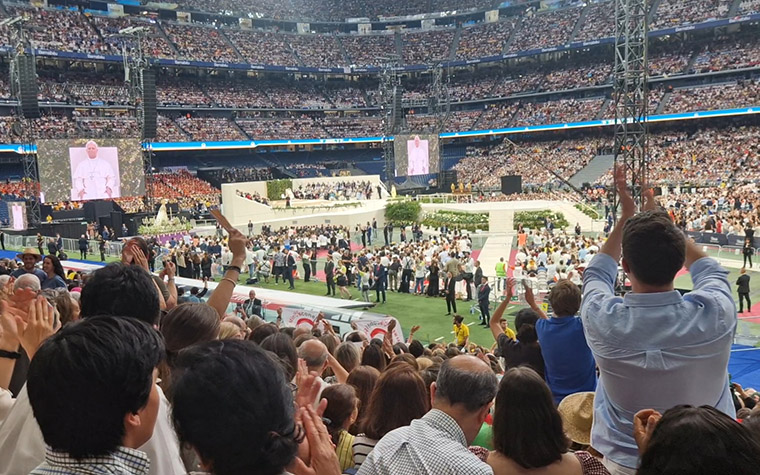
In recent years, Spain has established itself as a leading destination for hosting major international events. The Pope?s recent visit, which drew hundreds of thousands of people and required a complex logistical, has once again highlighted the organizational capacity of an industry that routinely works behind the scenes of some of the most significant events held in the country.
Music festivals, sports competitions, international conferences, corporate events, trade shows, and major brand experiences are all part of a calendar that, year afteryear after year, attracts millions of attendees and generates a significant economic, tourism, and business impact.
According to the Spain Convention Bureau 2025, Spaina maintains a leading position among Europe?s top event destinations thanks to a combination of world-class infrastructure, connectivity, tourism offerings, and organizational expertise.
The sector?s economic impact also reflects its growing importance. According to the MICE Forum 2025 Report, the events industry generates more than 20,000 million euros annually and accounts for approximately 1.2% of the national GDP.
Its activity also drives sectors as diverse as hospitality, transportation, technology, audiovisual production, communications, security, and commerce.
Beyond the numbers, industry professionals highlight the strategic role that events play in building the country?s brand.
The ability to organize complex events with high standards of quality, safety, innovation, and attendee experience helps reinforce Spain?s imageas a competitive destination well-prepared to host major international events.
Added to this is a factor that the sector considers a key differentiator: creativity. Adaptability, real-time problem-solving, and resourcefulness in responding to unforeseen situations are part of a professional culture that has enabled the Spanish industry to successfully tackle highly complex projects.
The Pope?s recent visit has once again demonstrated Spain?s organizational capabilities. On the main day alone, approximately 17,000 professionals directly or indirectly linked to the events industry participated?a figure that helps illustrate the complex human and technical infrastructure behind these events.
?Spain has the talent, experience, and capacity necessary to organize some of the world?s most complex events thanks to the coordinated efforts of hundreds of professionals who spend months planning every detail,? explains Mariano Rodríguez, president of AEVEA (Association of Spanish Event Agencies).
BEHIND THE EVENT
For industry professionals, the true success of an event is often measured precisely by what the attendee does not perceive. When everything runs smoothly, the complex structure that makes it possible remains invisible.
Behind every major event lies preparatory work that can last for months and encompasses areas as diverse as access and capacity management, security, attendee mobility, coordination with public authorities and emergency services, technical and audiovisual production, infrastructure setup, technological connectivity, healthcare services, sustainability, waste management, and contingency plans for any incidents.
?The difference between a good event and an excellent event often lies in everything the attendee doesn?t even notice. When security, access, logistics, and coordination run smoothly, it?s because there?s exhaustive planning and months of preparatory work behind the scenes,? adds Rodríguez.
With a calendar filled with major festivals, international sports competitions, conferences, corporate events, and cultural happenings, Spain is heading into the coming months by strengthening its position as one of the world?s leading destinations for hosting events.
A sector that not only acts as an economic engine and job creator, but has also become a strategic toolstrategic tool for projecting an image abroad of a country that is innovative, safe, competitive, and capable of successfully managing some of the world?s most complex events.