
Spanish companies lose more than 500 million annually due to unsuccessful corporate trips
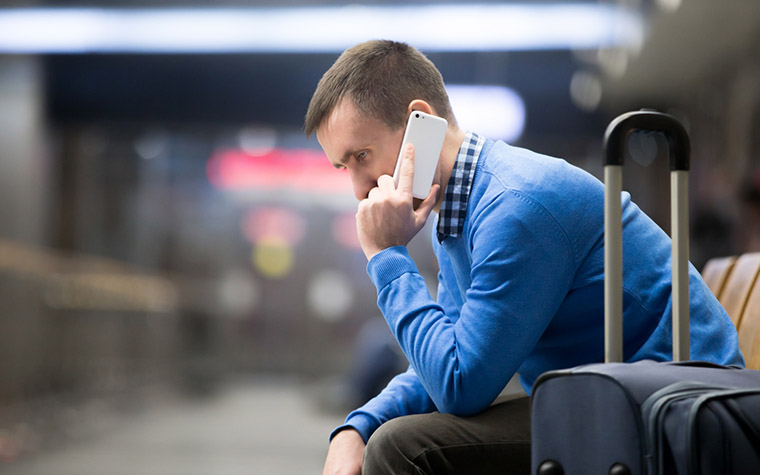
In Spain, 88% of business travelers experienced travel disruptions during the last 12 months, according to a Travelperk report. Transportation cancellations already affect 30% of these travelers, up from 25% in 2024. Due to these disruptions, business trips were extended by an average of 3 hours 45 minutes. These problems accounted for a total of 504 million in added costs.
TravelPerk estimates that extraordinary spending due to incidents and disruptions accounts for approximately 2.2% of the country's total business travel budget, estimated at ?23.217 million by the Global Business Travel Association (GBTA).
The report is based on a survey of 1,000 business travelers from Spain, 4,000 from the UK, Germany and Austria, and 2,000 from the US. Although half (51%) of the Spaniards surveyed expect not to suffer problems on their trips, whether by train or plane, the reality is different due to multiple factors.
In 2025, 61% experienced delays of more than one hour, and cancellations affected 30% of those traveling for work, up from 25% in 2024. Globally, the trend is similar: cancellations disrupted 36%.
Specifically, weather-related events impacted 24% of business travelers in Spain, up from 16% the previous year, although still far from countries such as the United States, where 50% saw their trips affected by bad weather.
Strikes also remain a challenge: while in 2023 they affected 17%, in 2024 they rose to 21% and in 2025 they reach 28%. In addition, there are other frequent problems, such as lost or delayed baggage (25 %), missed connections (25 %) and overbooking (15 %).
Financial Cost
On average, business travelers in Spain had to cancel or postpone 2 trips in the last 12 months due to these disruptions, which meant that 16% lost one or more business opportunities, a figure that rises to 23% among executives.
In addition, 36% reported incurring unforeseen expenses covered by their company. The estimated annual cost overrun per affected employee in Spain was 256 € in unplanned accommodation, 200 € in local transportation, 194 € in meals and subsistence, and 232 € in overtime.
Roy Hefer, TravelPerk's chief financial officer (CFO), comments that “companies that include flexible rates, cancellation coverageón and additional time in their travel policies are much better positioned to drive productivity and ensure return on travel investment”.
HUMANCOSTE
Interruptions prolonged business travel in Spain by an average of 3 hours 45 minutes, and are increasingly stressful (57%) and negatively affect the work-life balance (52%) of Spaniards. Extending even to personal time:
- 28 % had to change or cancel personal plans, including vacations.
- 24 % could not fulfill a family obligation.
- 17 % reported an increase in child or dependent care costs.
MINIMIZING THE IMPACT
Companies and professionals in Spain are adapting to reduce their impact:
- Anticipation: 33% of travelers book flexible fares, 28% add extra time to trips and 35% check updates more frequently.
- Digital tools: 20% rely more on apps to stay informed.
- Tighter policies: More than a quarter of companies (28%) have adopted measures to minimize disruptions, such as flexible ticketing, specific insurance and the exclusive use of approved booking platforms.
Although travelers and companies alike are increasingly turning to technology, human support remains essential for Spaniards. Sixty-eight percent prefer to speak to a customer service agent by phone or in person when an interruption occurs. Digital self-service has become the second most popular option (24%) for handling these cases, while AI chatbots remain underutilized (5%).