
Rising airfare costs have the MICE industry on high alert heading into the second half of the year
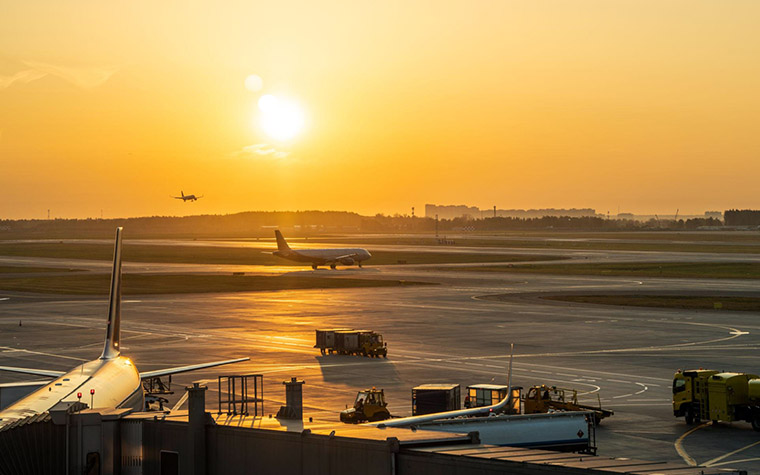
The MICE industry is heading into the second half of 2026 with growing concern over the impact of the energy crisis and international geopolitical tensions. Rising fuel costs, difficulties with air connectivity, and uncertainty stemming from the conflict in the Middle East are beginning to affect the sector?s activity, according to the barometer compiled by the IdeMice association.
The study shows that 86% of the companies and organizations surveyed believe the situation will significantly impact MICE activity over the coming months.
Furthermore, one in five participants acknowledges that events have already been canceled in recent weeks, while forecasts point to greater caution on the part of clients and organizers.
The increase in airfares emerges as the main concern for the sector. Four out of five companies identify rising flight costs as the main warning sign, ahead of factors such as changes in destination, the postponement of decisions, or the search for more economical alternatives.
Connectivity has also been affected: seven out of ten companies report having experienced recent problems related to air operations, mainly due to price increases, reduced frequencies, and route changes.
?Uncertainty is a hugely destabilizing factor in our business. The jet fuel crisis is driving up travel costs and slowing down decision-making by clients in a year that, on the face of it, was shaping up to be very positive,? notes Iñaki Collado, president of IdeMice.
The pressure on costs is directly affecting the profitability of projects and forcing many companies to rethink their strategies. Among the measures already being observed are the selection of closer destinations, shortening the duration of trips, or postponing certain initiatives until the international situation becomes more stable.
The incentive travel segment appears to be the most exposed to this situation. Its high dependence on international air connectivity, combined with the sensitivity of these types of programs to budget increases, makes them the most vulnerable to potential restrictions or further cost increases.
The barometer also points to a slowdown in business activity. Many companies are reportedly delaying the confirmation of projects and commitments while they assess the evolution of the geopolitical and energy landscape. If the current uncertainty persists, IdeMice warns that both postponements and event cancellations could increase in the coming months.
For the association, the situation serves as aa warning sign for an industry that acts as a leading indicator of economic activity and has a significant impact on sectors such as tourism, transportation, hospitality, and professional services. As the report concludes, the evolution of air connectivity and the energy market will be decisive for the evolution of the MICE sector for the remainder of the year.