
New regulations ease airport controls and limit baggage abuses
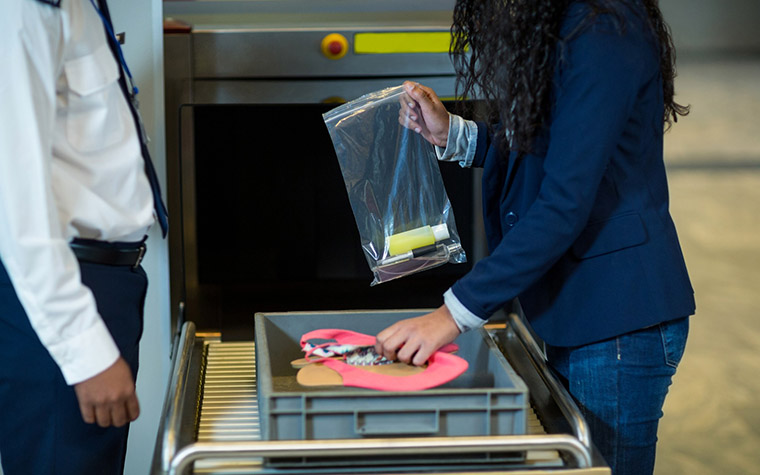
After more than 20 years since the attacks that spawned them, cumbersome airport screenings are slowly easing. Many airports have already begun to lift restrictions on liquids. In addition, common specifications have been recognized for all airlines regarding the size, weight and cost of carry-on baggage that can be taken into the cabin.
The new regulations at European airports are already transforming the travel experience. The changes directly affect passengers in key aspects such as baggage of hand luggage and the carriage of liquids, two of the points that generate the most doubts and conflicts at security checkpoints.
According to Google Trends data, searches for “new carry-on baggage regulations” have grown by more than 250%, reflecting travelers' interest and concern in understanding how these changes impact them.
Thanks to the incorporation of 3D CT scanners, Spanish airports such as Madrid-Barajas, Barcelona-El Prat, Málaga, Palma de Mallorca or Alicante already allow carrying containers of up to 2 liters without the need to remove them at the security checkpoint.
In terminals that do not yet have this technology, the traditional limitation is maintained: containers of up to 100 ml and a maximum of 1 l in total.
Hand luggage, a passenger right
European regulations recognize the right of passengers to carry on board, at no additional cost, a personal item or cabin bag (40 × 30 × 15 cm) and a personal accessory with a combined size of up to 100 cm and 7 kg.
Hand baggage is a basic passenger right and cannot become a source of abusive surcharges by airlines.
“The new rules at airports seek to facilitate safety and improve the passenger experience, but in no case can they serve as an excuse for airlines to impose undue costs. Charging for carry-on baggage is abusive and against the law,” says Rosa García, legal expert at AirHelp.
Essential items
In addition to baggage, certain items of basic use are protected by regulation and must be able to be transported without surcharge.
For example, checking in or taking baby carriages and wheelchairs for people with reduced mobility onto the aircraft should never incur an extra cost to the passenger.
It is also not possible to charge for carrying a backpack with essential items for baby care (formula milk, diapers, bottles, etc.), even if the baby does not pay for a seat; nor for a first-aid kit bag -medicines, oxygen, electronic devices, etc.- for passengers who justify, in the case of passengers who justify, in the case of passengers who justify, in the case of passengers who justify, in the case of passengers who justify, in the case of passengers who justify, in the case of passengers who justify, in the case of passengers who justify, in the case of passengers who justify, in the case of passengers who justify, in the case of passengers who justify, in the case of passengers who do not pay for a seat. for passengers who justify, by means of a medical report, that they must carry it with them.
AirHelp invites passengers to inform themselves in advance and to closely monitor the correct application of these rules and encourages them to complain if they detect undue charges: "The objective must be clear: a simpler and more transparent travel experience, where safety and the defense of passengers' rights go hand in hand.