
Gamification is the new strategy to generate savings in business travel
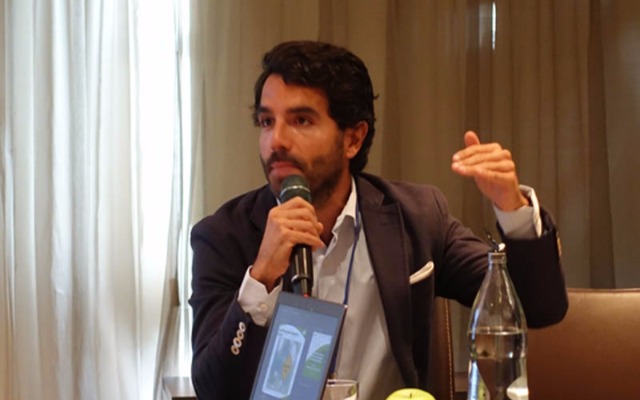
Companies are starting to use games and incentives to help their employees save on business travel. Gamification has arrived in the management of corporate travel as an alternative strategy to tax policies and the results are proving very promising, according to travel managers gathered by Forum Business Travel at the June sessions held in Madrid and Barcelona.
Under the title "Optimizing Spending in Mature Travel Programs," Forum member managers analyzed the challenges faced by companies with long experience of employee travel within and outside Spain. Faced with rigid travel policies based on penalization, some of them are already betting on gamification practices to achieve new savings.
“It's about learning and motivating, about acquiring commitments through gamification to make travel cheaper, to increase productivity and to get travelers generally used to booking earlier;
Javier Amigo, travel manager for Campofrío Food Group Holding.
Theincentivescan be economic, but companies also offer vacation days, accumulation of points or professional recognition of various kinds. In this regard, the financing of these programs must be taken into account. There are several ways of financing these programs, although the most common is the budget endowment based on the savings achieved or the use of sponsors. There are also those who combine both or hire external services”, explains Amigo.
“La gamificación requires an open and dynamic business culture”, according Óscar García, founding partner of Forum Business Travel. In addition, to start up a program of these characteristics, it is necessary to have the support of the management and the Human Resources department, to study the taxation of the company and to be able to make the best use of its resources;fiscality of incentives and implement a strategy for training and communication. Another challenge is the possible discrimination of employees who do not travel, an aspect that makes it necessary to study compensatory measures.
The crux of this whole strategy is the employees' awareness of the expense generated by their travel and the improvements that can be obtained with their involvement in the objectives of the travel program, which in Anglo-Saxon terms is known as engagement.
As explained by Salvador Romero, director of Purchasing and General Services of the Cofme Group, “the implementation of a cost control culture is the best way to eliminate unnecessary expenses and draw attention to inappropriate behavior, above all by promoting the celebration of successes”.Clara Sánchez Picout, travel manager at Sacyr, points out the same idea: “proper demand management improves transparency in spending, alerts on the implication of individual actions and provides mechanisms for follow-up”.