
Best practices in travel expense management (October session summary)
Companies have a good opportunity to save with the control and management of extra expenses.
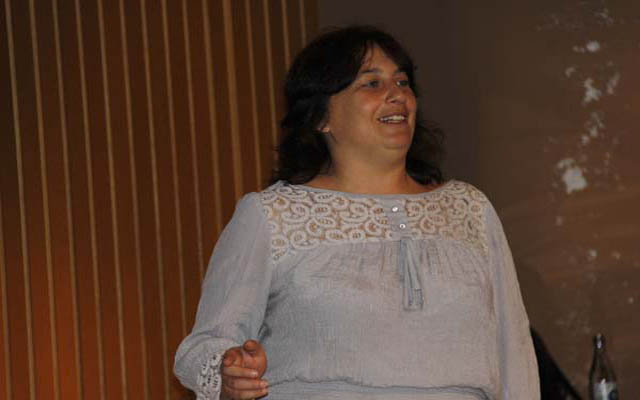
Pilar Navas, expert in Controller, Travel & Living, was the keynote speaker at the October training sessions. With a very practical presentation, Navas explained to the travel managers, more than a hundred attendees between the two cities, the need to manage the extra expenses incurred during the trip, which can represent 30% of the total.
These costs are increasing because there are many services that are not included in the airfare. Among them, baggage check-in, preferential boarding or meals and beverages on board. At the hotel, these expenses affect wi-fi connection, parking or the extension of the check-out time.
Navas based itself on different studies to point out that the costs of mobility at destination and maintenance account for around 18% of the total cost of the trip, where cabs (between 5% and 10%) and meals (9%) are included. It also provides the forecast of a Gebta study which states that 41% of companies have specific plans to optimize extraordinary expenses in the next 12 months.
“One of the clearest trends at the moment is the implementation of tools installed on travelers' mobile devices to channel bookings for complementary services with a number of predetermined providers, the speaker noted.
Navas strongly emphasized that the key to optimizing extra expenses during travel is “improving the attitude and aptitude of the traveler”.For this reason, he recommends maintaining constant internal communication and encouraging the exchange of information to create travel models in the most frequented destinations.
I also detailó some novel services that are emerging in the market and that improve the travel experience, the savings and the productivity, such as baggage delivery at destination, cab sharing proposals, reduced-price parking for access to airports and stations, restaurant management or digitization of expense notes.
To conclude, Pilar Navas underlinedó that “it is critical identify the sources of information that allow extra costs to be managed and improved” and that the frequent traveler “has a great capacity for the optimizationón of this type of expense, but it is necessary to provide him with the tools to achieve it”.
A good example of the services and applications that are emerging to better control extra expenses during travel is the one presented by Joel Vicient, CEO of Captio, a company based in Tortosa (Tarragona) that is carving a niche in the Business Travel market with an amazing system to digitize expense notes with a simple photograph sent via email. Time savings in reporting and accounting processes can reach up to 80%.
In the working groups, numerous ideas were discussed to optimize extra expenses, from planning routes with greater use of public transport or creating environments for sharing destination information, to including complementary services in negotiations with suppliers or sharing achievements with traveling employees.
October's training sessions took place in two truly unique venues. The one in Barcelona was held at the Casa de Convalescència, a historic building next to the Hospital de Sant Pau, listed as one of the last jewels of Catalan modernism. In Madrid, the day was spent at the emblematic Hotel ME by Meliá, located in the Plaza de Santa Ana, one of the most daring and avant-garde establishments in the capital.
.