
39% of European hoteliers are turning to artificial intelligence to boost demand
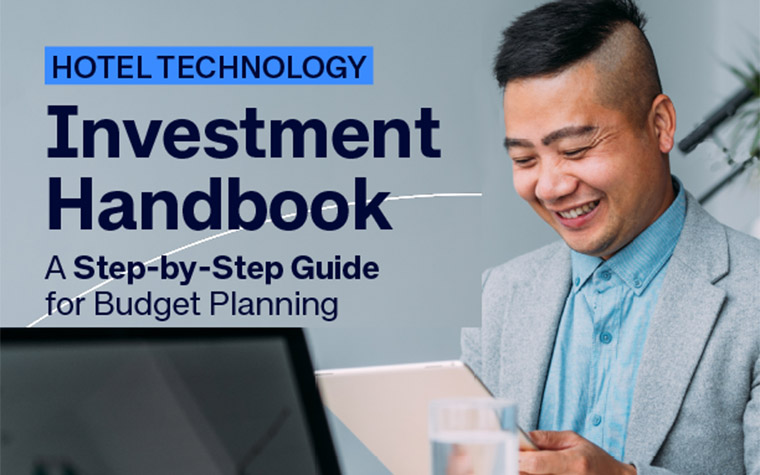
Investment in technology is establishing itself as a key factor in competitiveness for the hotel industry. According to a survey by Amadeus, 39% of European hoteliers consider marketing and personalization through artificial intelligence to be among their top strategies for generating demand. The company has published a guide to help establishments identify their technological needs.
Artificial intelligence, data analysis, and systems integration are taking center stage in the hospitality industry?s investment strategies. A recent survey by Amadeus reveals that 39% of European hoteliers identify AI-driven marketing and personalization as one of their main strategies for stimulating demand, while another 39% are investing in analytics and technology.
In the Middle East, priorities differ somewhat. Thirty-eight percent of the hoteliers surveyed are focusing on customer data platforms (CDPs), another 38% are investing in improving the connectivity between their technology systems, and 36% are focusing their efforts on data integration.
These results reflect the growing importance of digital tools in hotel management, although they also pose a challenge: it is not just a matter of increasing investment in technology, but of selecting the solutions that add the most value to the business.
A Guide to Planning Technology Investments
In this context, Amadeus has published the report Hotel Technology Investment Handbook: A Step-by-Step Guide for Budget Planning, a practical guide aimed at hospitality professionals to facilitate budget planning and technology-related decision-making.
The document proposes an evaluation process that begins with identifying the main challenges facing the property and continues by linking them to strategic objectives. The purpose is to determine which investments can most effectively contribute to improving business results, operational efficiency, and the guest experience.
The guide recommends incorporating information from the hotel?s various departments into this analysis, ranging from revenue management and sales to marketing, operations, and customer service. Among the metrics it suggests examining are occupancy, average daily rate (ADR), revenue per available room (RevPAR), distribution channel profitability, reservation conversion, and guest satisfaction.
Amadeus emphasizes that combining internal data with market information, advertising campaign results, and artificial intelligence tools provides a more comprehensive view of the business and helps identify opportunities for improvement.
Data integration: key to decision-making
One of the central aspects of the report is the need to overcome technological fragmentation that can occur when departments work with independent systems, disconnected reports, or different information sources.
According to the guide, having centralized and reliable data facilitates coordination among teams, allows for the establishment of shared priorities, and helps identify investments with the greatest potential impact.
The document analyzes the role of tools such as property management systems (PMS), revenue management systems (RMS), central reservation systems (CRS), and group and event management solutions.
In this latter area, Amadeus points outthat technology can help automate proposals and requests for proposals (RFPs), improve coordination between sales and operations teams, and streamline the process of booking meetings and events.
It also addresses the use of external information on demand trends, market behavior, and competitive positioning to guide sales and budgeting decisions.
How to Select Solutions and Vendors
The final section of the guide focuses on the evaluation of technology vendors. Amadeus recommends comparing the different options based on criteria such as solution quality, price, security and data protection, integration with existing systems, and the ability to adapt to future needs.
It also recommends evaluating each provider?s implementation processes, post-implementation support, training offerings, and artificial intelligence and innovation strategy.
The document explicitly distinguishes between artificial intelligence and automation and advises verifying which features actually use AI and which are limited to executing processes based on predefined rules.
Before committing to an investment, the companyñshould verify that the technology addresses a specific business problem, that there is information justifying its need, that its results can be measured, and that its implementation will benefit one or more departments.
The report concludes with a focus on the alignment between technology and business strategy. In an environment marked by rising costs, evolving traveler expectations, and competition, Amadeus advocates for a planning approach that prioritizes investments based on their contribution to the goals and needs of each establishment.