
S for Sustainable Tourism moves towards global recognition
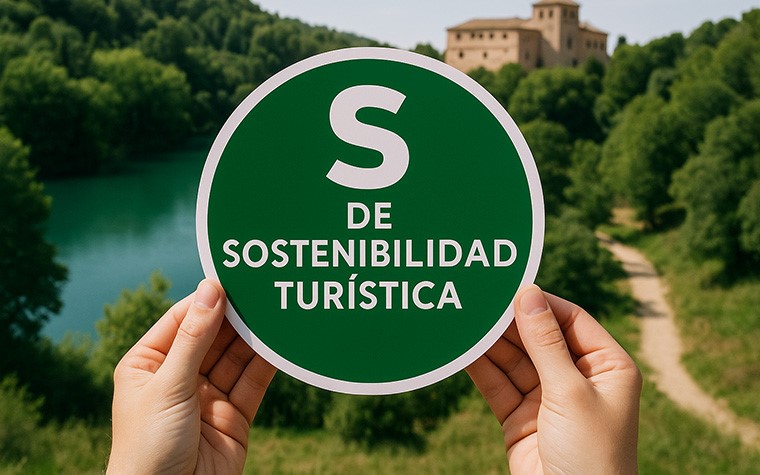
The Spanish S Certification for Sustainable Tourism, promoted by the Spanish Institute for Tourism Quality and Sustainability (Ictes), is close to becoming an international standard after obtaining the majority support of the ISO Technical Committee for Tourism and Related Services (ISO/TC 228).
.
The proposed sustainable tourism standard, presented by Ictes and UNE in May during the ISO world congress in Río de Janeiro, was approved with no votes against, with the participation of nearly seventy countries.
Since its conversion into a UNE Standard in June 2024 (Specification UNE 0083:2024 “Contribución de las organizaciones turísticas a los Objetivos de Desarrollo Sostenible”), the S of Ictes is the única marca española de sostenibilidad turística basada en un estándar público, consolidating itself as a reference for certifying sustainability in national tourism. Thanks to the joint work of Ictes and UNE, this standard is closer to making the international leap, allowing Spain to once again lead tourism certification worldwide, as it did with the Q quality mark.
After passing the voting phase, working groups will begin to develop the detailed content of the future international standard, based on the Spanish proposal. This reinforces Spain's role as a benchmark in tourism standardization, a position it has held for more than two decades at the head of the ISO/TC 228 Committee, made up of more than 100 countries and organizations of global relevance.
A response to the needs of the sector
The S for Sustainable Tourism arose in response to a demand from the sector itself and aims to be a driving force for sustainable transformation within the international tourism industry. Designed by a Joint Working Group under the coordination of Ictes, the standard was developed through the collaboration and consensus of all subsectors and stakeholders. It aims to encourage responsible resource management, promote conscious consumption and minimize the environmental footprint of tourism activity.
This initiative is aligned with the Spanish Sustainable Tourism Strategy 2030, the national roadmap for driving growth based on quality and sustainability. Tourism remains a key economic driver, accounting for more than 12% of GDP and employment in Spain, but with an environmental impact that must be carefully managed.
With the adoption of this standard, Spanish tourism organizations can integrate the Sustainable Development Goals (SDGs) into their strategy, promoting tourism that respects the natural, social and cultural environment and contributing to the sustainable development of destinations. The S mark for Sustainable Tourism, already recognized in Spain, will continue to move forward to audit under international criteria.
The standard is applicable to all tourism-related activities, from accommodation, restaurants and travel agencies to spas, marinas, conference centers, nature trails and museums, thus consolidating a comprehensive framework for sustainable tourism.