
GBTA is promoting an initiative to accelerate the use of sustainable fuel in corporate travel
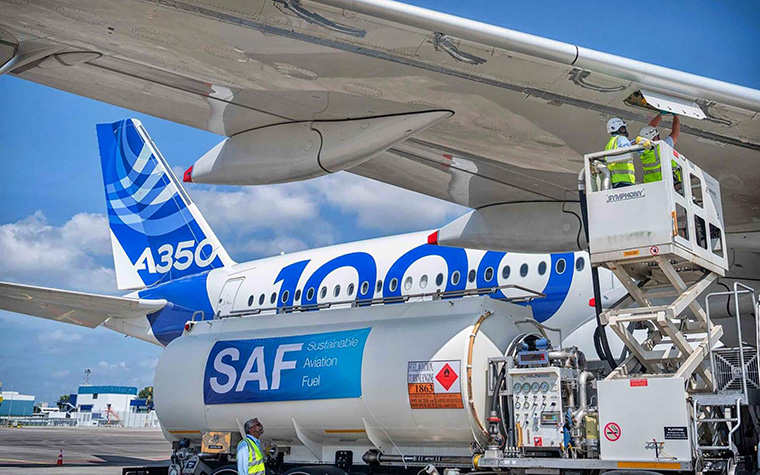
The GBTA Foundation has launched SAF Corporate Connect, a program designed to make it easier for more companies to incorporate sustainable aviation fuel (SAF) into their corporate travel strategies. The initiative aims to overcome some of the main barriers hindering its adoption, such as cost, the complexity of procurement processes, and a lack of knowledge about this emerging market.
GBTA Foundation, the education and research arm of the Global Business Travel Association (GBTA), has launched SAF Corporate Connect, an initiative designed to help companies participate more actively in the development of the sustainable aviation fuel (SAF) market.
The program aims to connect corporate buyers, suppliers, and industry experts to facilitate access to information, resources, and tools that enable organizations to incorporate SAF into their travel and sustainability policies. According to the organization, many companies are interested in reducing emissions associated with business travel but face difficulties in understanding how the purchasing and financing mechanisms for this type of fuel work.
Throughthis initiative, the foundation seeks to boost corporate demand for SAF, considered one of the most effective solutions for reducing carbon emissions from air travel in the short and medium term. Although its availability remains limited and its price is higher than that of conventional fuel, the industry believes it will play a key role in meeting the goals for decarbonizing aviation.
Reducing emissions from business travel
This issue is particularly relevant for companies because corporate travel accounts for a significant portion of their indirect or Scope 3 emissions. In recent years, an increasing number of organizations have begun to demand detailed environmental metrics and solutions that reduce the impact of their travel without sacrificing international connectivity.
However, various studies by the GBTA itself show that corporate participation in SAF programs remains low. Among the main barriers are a lack of understanding of purchasing mechanisms, the difficulty in measuring the actual impact of investments, and the additional cost compared to conventional fuels.
With SAF Corporate Connect, the foundation aims precisely to bridge that gap and accelerate the participation of corporate buyers in a market that will become increasingly relevant to companies? ESG strategies and to the future of business travel.
The initiative comes at a time when sustainability has become a strategic criterion within corporate mobility programs. As companies strengthen their environmental commitments and regulatory requirements for non-financial reporting increase, reducing emissions associated with business travel is a top priority for many organizations.
In this context, SAF is emerging as one of the tools with the greatest potential for advancing toward more sustainable aviation without the need to modify existing airport infrastructure or fleets, establishing itself as one of the main pillars of the green transition in the aviation sector and in corporate travel.