
The benefits of Augmented Reality for business travelers (I)
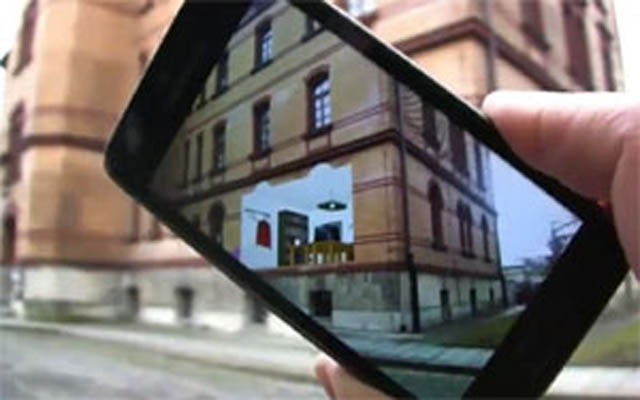
Many (if not all) have surely heard recently of Augmented Reality (it is fashionable), of its countless benefits and virtues, of the wide range of possibilities it offers us, but does anyone really know what it is, how it works, what are the real utilities and uses we can give it?
Before answering these and other questions, it is essential to go into more detail about what is now known as Augmented Reality, the different types or formats that exist and the qualities that give it a (possible) utility in the short term. According to Wikipedia, "Augmented Reality (AR) is the term used to define a direct or indirect view of a real-world physical environment, whose elements are combined with virtual elements to create a mixed reality in real time", as easy as it would be to say that it is to provide the real world with a superimposed view of virtual content from multiple sources, … mmm, ¡well, maybe not!… ;-)
Next we are going to see several examples of use and application in different environments and typical day-to-day situations, which will undoubtedly give us a much clearer view of what are (and will be) the real possibilities of this technology. But first we must explain the different types of Augmented Reality that exist today, depending mainly on two variables: the interface of access to information and the way in which we interact with the environment.
The first variable establishes a clear difference in terms of usefulness and possible uses, depending on the interface from which the information is accessed (this is what is known as capture elements):
SmartPhone/Tablet terminals: through technologies such as LAYAR or a wide set of APPs that incorporate this functionality such as: Google Goggles, TwittARound, Wikitude or Yelp.
View video presentation of Google Goggles
View video example of Augmented Reality in Tablet environments
Desktop Environments: through the user's terminal and with the help of Web cameras, environments can be created to access multimedia content under the augmented reality format for different purposes: educational, entertainment, informative, commercial, etc.
See vídeo example of Sony Entertaiment
Augmented Reality Glasses: through a display similar to a pair of glasses we can access real-time information about our environment, such as the último project of Google innovation (whoún if not): Google Glass
See vídeo example of the Google Glass project
Access the corporate page of the Google Glass Project
Entertainment Interface: for example we have one of the latest Microsoft devices for video games: Kinect for XBOX 360, which through an advanced user recognition interface, introduces us into the game, improving incredibly the interactive entertainment experience. The first and pioneers were Nintendo Wii.
See video presentation of the Kinect system
On the other hand and in relation to the second of the variables mentioned above, we can distinguish the following types of Augmented Reality (it is what is known as activation mechanism):
Based on markers or images that serve as identifiers that our camera or terminal recognizes, showing a virtual content superimposed on the real image, with the ability to interact with the user. Also could be included in this section the famous QR codes, which are so fashionable, or links via NFC (which Apple is reluctant to incorporate).
Based on the geographical position where the user's terminal is located, allowing access to a set of virtual content related to the space around us. It is the most common use that currently offer a countless number of APPs within the application download stores of the different platforms of existing SmartPhones.
Based on the recognition of photographs through the user terminal and with the help of the camera, there are applications that given a photograph and in real time, are able to recognize the object or landscape that is represented and provide a set of additional information about it and its environment.
And so much for the first part of today's topic. As I have commented on previous occasions, “our ability to innovate (and our future) depends on how we manage the relationship between the inventiveness and innovation capacity of the professionals who are part of our companies and institutions and the leadership and risk-taking capacity of the management teams and young entrepreneurs who manage them”.
See you in two weeks, in the second (and last) installment of this chapter, in which we will offer a multitude of examples, videos and documents, where we will learn how to use this technology in different environments and situations of our daily and professional life.
Borja Rodríguez Niso
Business Development
www.velentis.com
Borja Rodríguez Niso
Business Development
www.velentis.com