
In which chapters are Spanish travel companies saving the most and in what way?
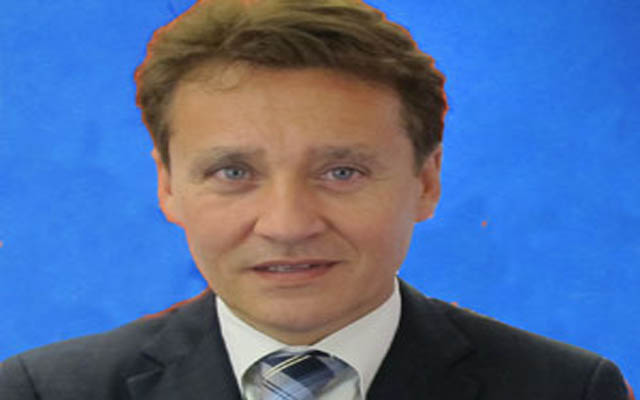
DAVID BALLESTEROS, National Director of HALCÓN EMPRESAS / VIAJES ECUADOR.
Spanish companies, which are traveling more and more, have their focus on savings without this having a negative impact on the level of service quality. Corporate travel represents one of the most significant purchasing categories, both in terms of volume of expenditure and sensitivity to the internal customer, so companies are demanding a "partner" relationship with the supplier aimed at building a transparent and long-lasting relationship to jointly detect the various savings levers.
This process involves an in-depth analysis of the corporate travel account, always taking into account parameters such as internal culture, market positioning, the procedure for requesting and managing services, invoicing, payment methods, supplier agreements, routing, travel planning, reporting, etc.
We can group the savings levers into five major groups:
1.- Negotiation with suppliers.
Concentrating volume and, therefore, improving the contracting conditions with the different suppliers according to the products that make up, significantly speaking, the largest expenditure. In addition to a better price, "added values" are negotiated which, far from having a negative impact on the internal customer, mean an improvement in the service provided so far.
2.- Introducing changes in the Company's Travel Policy.
If we want to obtain different results we must do different things. These changes need not necessarily be linked to a change in the category or class of services requested. In fact, the most important ones are linked to greater travel planning when the business makes it possible, the consideration of alternative flights, etc.
3.
They allow to optimize the times of the intervening ones, to improve the immediacy of the information, to make the internal client aware of the expense that supposes the trip that he is requesting, to direct towards the suppliers marked by the company and to guarantee the available price at the moment in which the same one is visualized.
4.- Process improvement.
It does not focus exclusively on an analysis of the procedure for requesting and managing services. It is a much broader process in which invoicing, payment methods, etc.
5.- Reporting.
To identify new savings levers; to carry out follow-ups to measure the results of your actions and correct, if necessary, any deviation from the initial plan; and to provide a solid and reliable basis for negotiating with suppliers.