
Forum Business Travel recommends the shared management of business travel
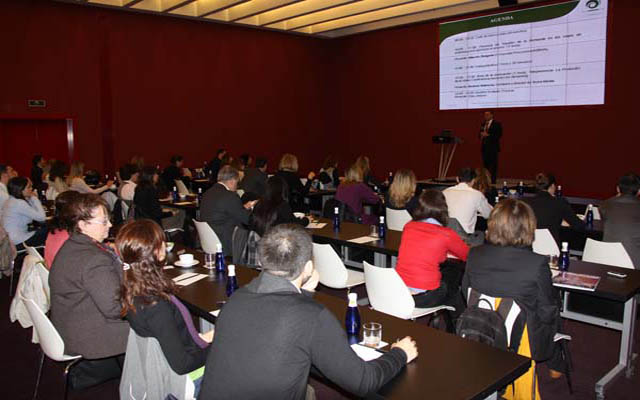
Companies can save between 10% and 20% with proper demand management, i.e. by transferring to their traveling employees part of the responsibility for choosing the trips that are really necessary and the total costs involved. This is the conclusion of the Forum Business Travel training session held this morning in Barcelona.
The calculation of the possible savings is based on a report by the consulting firm AT Kearney, referred to several times by Alberto Delgado, head of Corporate Purchasing at BBVA Bank, in his presentation “Management of corporate travel demand to optimize savings”.
Habitually used in controlling indirect costs, this strategy is now also beginning to be applied to travel programs. As the report notes, "demand control is a proven mechanism for eliminating costs in companies without affecting their executive capacity.
The Forum Business Travel expert explained to a large group of travel managers in Barcelona that“with proper demand management it is possible to detect the causes of spending, adapt the purchasing policy to the needs of the company and eliminate unnecessary consumption”.
In the new orientation that companies are giving to their travel policy, responsibility is starting to be shared between management and the employees who travel regularly. “We put a lot of pressure on suppliers. We want lower prices or better services, but have we stopped to think about the reason for our own travel consumption," wondered Alberto Delgado.
According to him, allowing employees to co-manage their own spending has numerous advantages. Among them, it reduces the cost structure by attacking the source of consumption, balances spending to real needs and installs in the company a culture of self-control that is much needed in these times of economic crisis in Europe.
The FBT speaker recommends companies to establish a starting point with an X-ray of the processes used, drawing on internal and external sources of information and learning from best practices. From there, it is possible to implement the new demand-driven model by identifying opportunities for improvement in collaboration with the traveling employees themselves.