
"Technological innovation alone is short-lived: knowing when to set it aside is also part of the creative process."
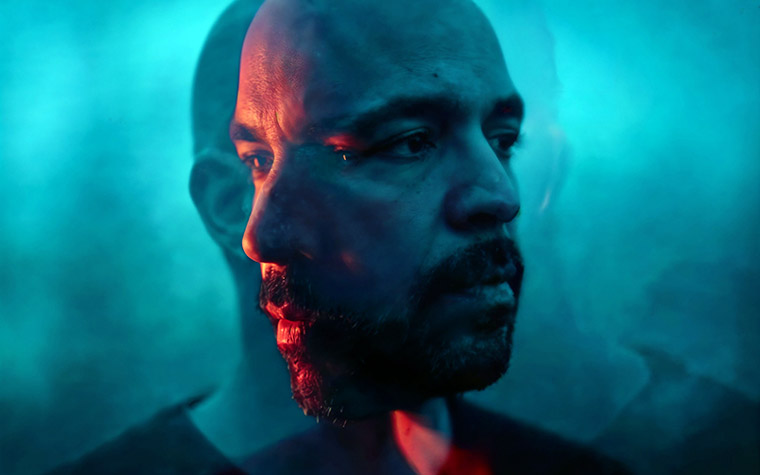
Immersive experiences, dance mapping, and artificial intelligence are expanding the creative possibilities of corporate events. However, for Paco Gramaje, founder and creative director of Girasomnis, technology only makes sense when it helps convey a message and connect with the audience. In this interview, he analyzes how corporate demands are evolving.
Based on your experience at Girasomnis, how are the expectations of companies that incorporate tech-driven shows into their events changing? What are they asking of you today that they didn?t ask a few years ago?
I think the nature of the request is changing. In addition to surprising the audience, companies want the show to have a clear connection to what they?re communicating. They want a product launch, an anniversary, or a convention to have its own identity and for the audience to remember more than just a spectacular screen.
That requires putting more effort into the concept and customization. For me, the test is simple: if you can replace the logo with that of any other company and the piece still works exactly the same, there?s still work to be done. The brand has to be present in the story, the rhythm, and the images, without turning the show into a never-ending commercial.
When you receive a commission for a corporate event, how do you transform a brand?s messages and values into a theatrical narrative capable of moving the audience without losing sight of what the company wants to communicate?
The first step is to understand what we want the audience to take away when they leave. Sometimes, the briefing contains so many messages that it?s impossible to give them all equal weight in just a few minutes. You have to choose a central idea and build from there.
Then we figure out how to express it through movement, music, and imagery. For example, if we?re talking about collaboration, we might create a scene in which the actions of several performers depend on one another to complete an image. The concept is understood because it unfolds right in front of the audience. That relationship between what the artist does and what we see on screen is especially powerful in dance mapping.
Your catalog includes mapping, holograms, and indoor drones. ¿What criteria do you recommend for choosing a technology and determining when its incorporation adds complexity without providing real value to the event?
I would start with the message, the audience, and the space. Then I?d analyze the actual conditions: viewing distances, lighting, heights, performance area, setup and rehearsal times, budget, and available technical staff. A format can work very well in a theater but lose all its meaning in a hall with columns or with the audience spread out around the stage.
With indoor drones, for example, you also have to consider flight conditions and potential interference. It?s not enough for the space to simply be beautiful.
My approach is to ask myself what that technology brings to the experience. If it complicates the production and barely changes what the audience understands or feels, I would choose a simpler solution. K/strong>nowing how to rule out a technology is also part of the creative process.
With projects like AI Dance Mapping, how do you understand the balance between the possibilities of artificial intelligence and the contribution of human artistic talent?
Artificial intelligence opens up many possibilities for exploring images, developing visual universes, and trying out approaches that used to take much longer. But generating images is only part of the process. You have to decide which ones make sense, give them continuity, and make them coexist with choreography, music, and a real space.
For me, artistic judgment remains decisive. An image may be spectacular on its own but not work for a particular scene. And the performer contributes something essential: presence, intention, and a direct connection with the audience.
What?s interesting is how these two dimensions come together. That exploration is also behind MAIGIA, our line of work with artificial intelligence and interactive experiences.
Taking your customized dance-mapping performances as an example, what lessons would you highlight regarding the collaboration between the client, agency, and creative team to integrate an artistic concept into a corporate event?
The most important lesson is that the creative and technical teams must be involved from the very beginning. If the entire event is finalized first and then you try to figure out where to fit the performance, the possibilities are greatly reduced.
It also helps to have one person in charge of coordinating feedback and to establish clear approval milestones. Changing an idea early on is relatively easy; doing so when the music, choreography, and video are already synchronized affects the whole production.
In addition, I would always schedule a technical rehearsal under the actual conditions of the event. In dance mapping, the body and the image must come together at the intended time and place. To achieve this, we need to check the playback, sound, lighting, and other technical elements. That rehearsal time is part of the performance.
¿How do you recommend evaluating whether the investment in an immersive experience has contributed to the event?s objectives, beyond the audience?s immediate reaction?
The first step would be to define what we want to achieve. You don?t evaluate a piece that showcases a product the same way you would an experience designed to generate business conversations or reinforce a team?s sense of belonging.
Then we can check what message the audience remembers, whether they associate it with the brand, and what happens after the experience: inquiries, demonstrations, contacts, or subsequent use of the content, depending on the objective.
A brief question a few days later??What do you remember about that moment???can provide more insight than simply counting applause.
It?s also wise to be cautious when attributing results. An event brings together many elements, and we can?t always isolate the impact of the show itself. What?s useful is to agree on metrics from the start and use them to improve the next edition.
Looking ahead to 2027, what changes do you foresee in the demand for corporate event experiences, and what should be the priority for organizers in responding to them?
I think we?ll see more interest in experiences that react to what?s happening in the room and allow the audience to participate. Artificial intelligence can greatly expand those possibilities.
At the same time, the easier it becomes to generate visual content, the more value a proposal with its own unique concept and a recognizable artistic direction will have.
Organizers? priority should be to define what they want to evoke in the audience and to bring in the right teams well in advance. Technological innovation alone is short-lived. An experience that connects with people and makes an idea understandable has more staying power. That?s where I?m interested in continuing to work.