
Roadmap to prevent food and energy waste in the hospitality industry
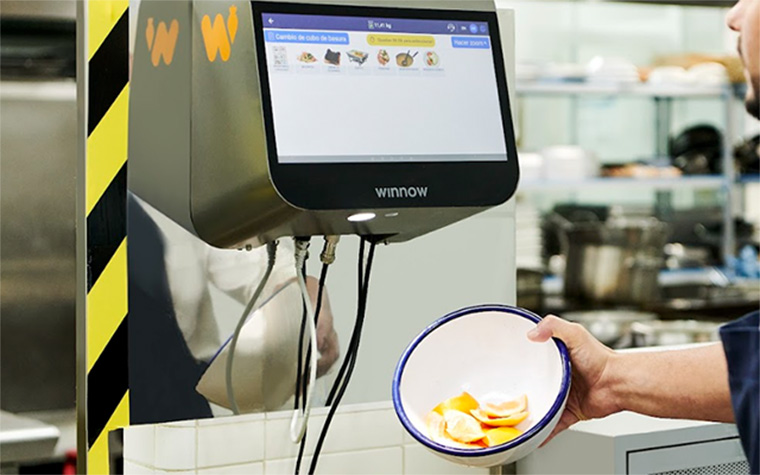
The report "Decarbonizing Hotel Food Systems" proposes a roadmap for the industry to reduce up to 70 million tons of CO2 per year. Developed by WSHA (World Sustainable Hospitality Alliance), Iberostar Hotels & Resorts, SMI (Sustainable Markets Initiative) and Systemiq, it details how hotels can influence the global food system through their purchasing power and by optimizing their energy consumption.
With the hospitality industry accounting for 1% of the emissions generated by food production and 3% of food waste globally, the sector plays a key role in the transformation to more sustainable food systems.
The report highlights innovative solutions such as food waste reduction technologies, which can reduce food waste by up to 50%. It aims to involve hospitality leaders in the systemic transformation of the way food is sourced, prepared and consumed in hotels.
The report's findings were recently discussed at the World Sustainable Hospitality Alliance annual summit in the United States, with the participation of its members, representing more than 55,000 hotels, 7 million rooms and more than 300 brands globally.
During the event, Glenn Mandziuk, CEO of WSHA, and Erika Harms, Global Director of Sustainability, Science, Innovation and Destinations at Iberostar, launched a call to action aimed at the industry.
The report on the hotel industry presents case studies that illustrate how to take advantage of artificial intelligence to forecast food consumption or implement circular food systems, consolidating itself as an innovative and benchmark tool for the industry.
Beyond improving infrastructure and supply processes, we must collaborate, share best practices and adopt a comprehensive vision at the destination level. Only in this way can we achieve the greenhouse gas emission reductions proposed in this report, while promoting social and economic prosperity, notes Erika Harms.