
Climate risks are now a central focus of corporate ESG policies
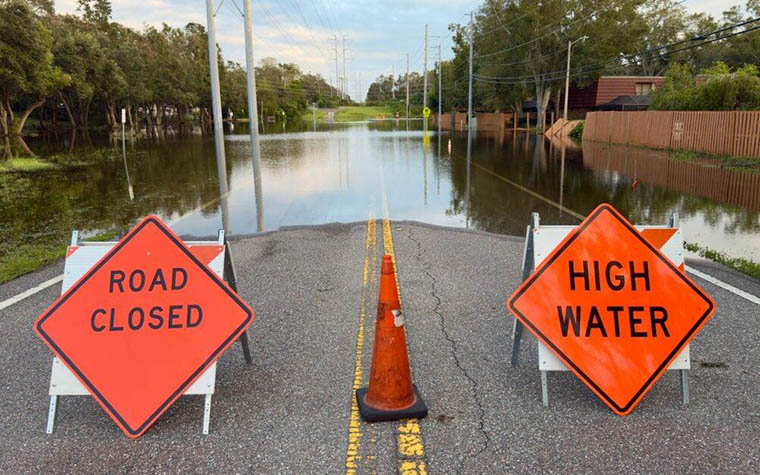
Natural disasters are no longer just an environmental threat. Their increasing frequency and impact are forcing companies to incorporate climate risk management into their ESG and people protection strategies. This is reflected in a study by International SOS, which warns that climate change has become a strategic risk for organizations.
According to the report, the number of natural disasters has risen from about 100 events per year between 1970 and 2000 to nearly 500 per year between 2001 and 2021. Furthermore, forecasts indicate that the number could reach 560 events per year by 2030 if the current trend continues.
Storms, floods, wildfires, and extreme heat waves are having a severe economic and human impact. In the first half of 2025 alone, natural disasters caused global losses of $131 billion, according to data from Swiss Re.
The floods in Valencia in October 2024, which forced the shutdown of an automobile plant and left 6,000 workers on temporary layoff, are one example of how these phenomena directly affect business operations.
The study also highlights extreme heat as one of the major challenges for companies. More than 2.4 billion workers are exposed to excessive temperatures each year, with direct consequences for health, productivity, and workplace safety.
Beyond the physical impact, companies are also beginning to pay attention to the psychological consequences resulting from these episodes. Anxiety, post-traumatic stress, or depression affect a significant portion of people experiencing extreme weather events, a factor that has long-term repercussions on organizations? operational capacity.
In light of this scenario, ESG policies are evolving toward models more focused on resilience, well-being, and the comprehensive protection of employees. Experts recommend integrating climate variables into corporate risk maps, adjusting schedules, strengthening safety protocols, and developing specific plans for business travelers and professionals exposed in certain geographic areas.
??Climate risk has become a strategic risk in its own right,? notes Christophe Suptil, Director of Strategy at International SOS France, who argues that companies must prepare to anticipate and manage increasingly frequent and severe phenomena.