
WTTC calls for removal of travel restrictions for the omicron variant
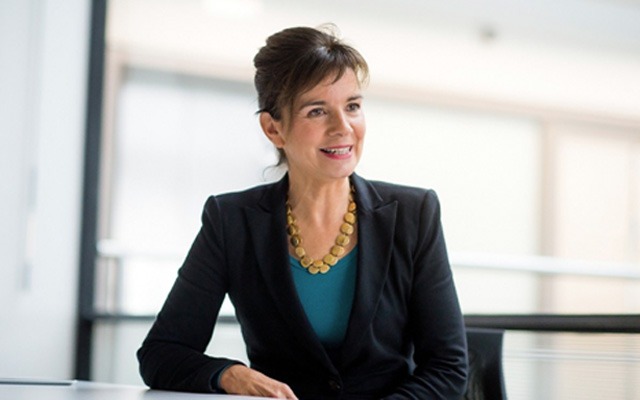
At the 24th General Assembly of the World Tourism Organization (UNWTO), recently held in Madrid, the World Travel and Tourism Council (WTTC) has called on the international community to act responsibly in the face of the new variant of covid-19, in order to lift travel restrictions imposed on African countries.
According to Julia Simpson, president and CEO of the WTTC, “the virus does not respect divisions between countries and consumers are tired of restrictions that continue to change erroneously; there is pent-up demand for travel, but drastic actions by governments are making travelers more cautious;There is pent-up demand for travel, but drastic actions by governments are making travelers more cautious.
Simpson said the WTTC is in favor of actions that will truly stop the spread of the virus on the planet: "First, let's vaccinate the world. We can't wait five years for 4 billion people to receive their first dose The chairwoman of the World Travel & Tourism Council also advocated that, "instead of closing borders, let's follow the WHO and use social measures that are known to work, such as vaccines, physical distance and rapid testing," she said; She also favored basing risk "around the health status of each individual" rather than quarantining entire countries. Julia Simpson considered that “this is not the time to forget our African friends”. More than 60 countries have established travel bans from southern African states. The World Health Organization has said that the closure of countries causes untold economic and social damage to livelihoods and well-being. Therefore, WTTC has identified four lines of action that will address the current health crisis: 1.-The EU COVID Digital Certificate, which has 51 countries connected to él and has issued more than 600 million documents since its launch in July this year. 2.-The OACI Visible Digital Seal, which is based on cross-border ePassport technology to facilitate integration with immigration procedures, recently adopted by countries such as Australia. 3.-The DIVOC certificate, developed and used in India, which has issued more than 1.2 billion certificates in India and Southeast Asia. 4.SMART Health Cards, developed by a consortium of more than 200 of the world's largest health and technology companies, including Microsoft, Apple and IBM. They have been adopted by Canada and used in the United States.