
World tourism leaders support technology-driven travel agenda
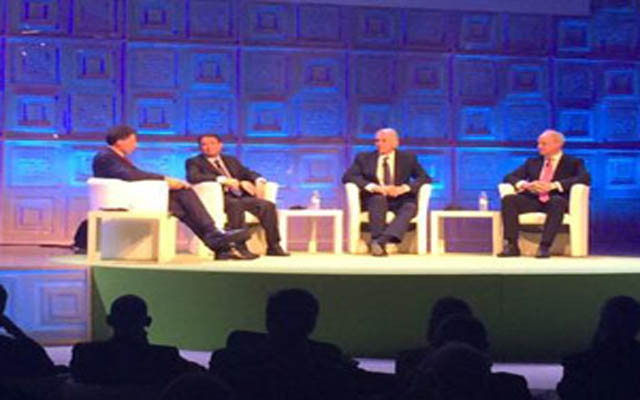
“Boosting travel and tourism over the next decade: an agenda for growth and development”. This is the title of the roadmap presented by the Global Travel Association Coalition (GTAC) at the WTCC summit held in Madrid on April 15-16. Among its pillars are the development of technology to promote travel and international cooperation.
GTAC members are committed to working on a joint approach, together with governments and the private sector, to advance travel facilitation, infrastructure development, environmental sustainability and investment in human capital. The objectives of the agenda will be addressed through:
1. Research-based evidence on the value and impact of travel and tourism and regulatory changes;
2. A single voice to promote the implementation of the agenda and ensure that the sector can be an efficient driver of economic growth and sustainable development; and
3. Calling on governments to agree on or strengthen public/private sector cooperation and coordination of the tourism and development plan at all levels.
The Agenda sets out a testimony of conditions for these four key issues and defines the following calls to action:
1. On travel facilitation, GTAC calls for:
a) Policies that facilitate international travel and tourism and thereby export the wealth they generate, their economic and social benefits globally.
b) The expansion of transparent visa processes, visa waiver programs, regional visa agreements and travel trust programs as well as consistent border travel procedures.
c) The use of new technologies to make travel more accessible, convenient and efficient, while increasing its security.
2.
a) Advances in air, sea and land connections through well designed regulations including measures that enable access to markets and capital in the context of tourism, transportation and trade.
b) Government and private sector cooperation to capitalize on innovation and technology resources to enhance and accelerate intermodal and infrastructure development.
c) Establish and strengthen public/private agreements to secure legislative and funding needs for infrastructure improvements and expansion.
3. On environmental sustainability GTAC calls for:
a) Interagency coordination in considering and implementing ways to protect the environment, while promoting sector growth and socio-economic benefits for its host communities.
b) A greater level of accountability through the development of large public/private agreements to measure the impacts of tourism on the environment, and evidence-based decision making.
c) Greater investment in innovation, appropriate regulations and technological solutions that ensure the sustainability of the sector and reduce adverse impacts on the environment and society.
4.
b) Position sector as a viable career path.
c) Share best practices and the development of training programs for the sector.
“Driving Travel & Tourism over the next decade: an agenda for growth and development” was launched during a press conference in Madrid by GTAC and three of the founding members: Tony Tyler, director general and CEO of the International Air Transport Association (IATA); Taleb Rifai, secretary general of the World Tourism Organization (UNWTO); and David Scowsill, president and CEO of the World Travel & Tourism Council (WTTC).
Currently the GTAC isá composed of the following members: Airports Council International (ACI), Cruise Line International Association (CLIA), International Air Transport Association (IATA), International Civil Aviation Organization (ICAO), Pacific Asia Travel Association (PATA), World Economic Forum (WEF), World Tourism Organization (UNWTO) and World Travel & Tourism Council (WTTC).
The GTAC is currently comprised of the following members.