
What structural changes will persist after the crisis in corporate travel?
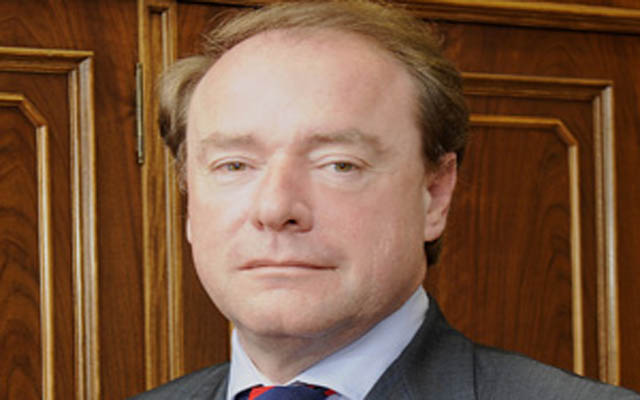
LUIS MIGUEL VIÑUELA, Chief Executive Officer of DINERS CLUB SPAIN
Since the onset of the global crisis in 2007, there has been a clear reduction in corporate costs and this has directly affected travel spend, transactions and average ticket price.
In the case of Diners Club, the year with the greatest impact on turnover due to a reduction in its customers' travel expenses was 2009. However, the number of transactions did not contract in the same way as volume, but instead grew significantly in 2010 and 2011.
This behavior indicates a change in corporate customers: as they have become more cost-conscious, the average ticket price has consistently declined. The appearance on the scene of low-cost airlines also meant a change in the travel policy of companies, as well as the search for alternatives to diversify the means of transport with which they travel.
On the other hand, the crisis has accelerated a change in the policy of concentrating travel spending in a single supplier. So much so that more than 90% of our clients' volume is concentrated in five travel agencies.
For Diners Club's management, the crisis has generated important changes in corporate travel. Some of them have been conjunctural, such as reduced spending and strong price pressure.
Structural structural include increased use of low-cost airlines, agency concentration, the tendency to work with a single supplier, greater globalization, alternative systems to travel and the implementation of more efficient processes through technological changes.