
What is the concept of traveler friction and what consequences can it have on the company?
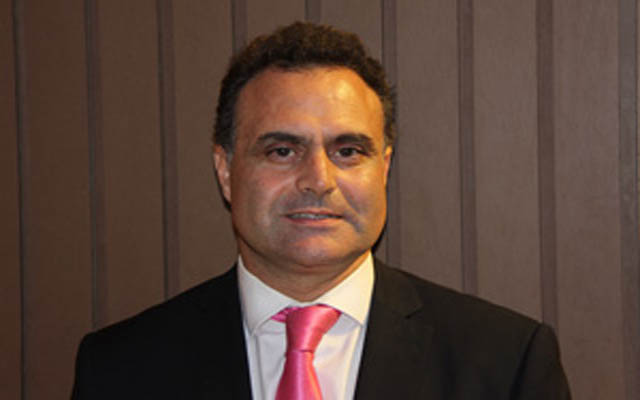
ÓSCAR GARCÍA, co-founding partner of FORUM BUSINESS TRAVEL
With the economic crisis, companies put the emphasis on the cost savings at all costs. This criterion, transferred to the management of corporate travel, meant in some cases a worsening of the conditions in which employees made their trips. The demand for professional positions was very out of balance with the supply and companies could afford the "luxury" of imposing their conditions.
With the recovery, the balance may be reversed. Companies may begin to have difficulties in retaining their employees if they do not offer them conditions that also improve their quality of life, in addition to their economic remuneration. This translates, among other things, into limiting the number of trips and improving the conditions in which they take place in terms of experience and comfort.
There are already studies that indicate that the conditions in which a business trip takes place have a financial impact on companies. And this is because the traveler's performance when he arrives at his destination may suffer if he has not been able to sleep properly on the plane, if the assigned hotel is lacking in any way or is far from the points of professional interest, or if the traveler is not provided with simple procedures to make any kind of change in his trip, for example.
Every trip has a human cost. Traveling generates stress, there is no doubt about that. This is what some experts call traveler friction, which has directly to do with the concept of traveler experience. What in my opinion we have to start looking for is the balance between the necessary optimization of resources in the management of business travel and the conditions in which these trips take place. And it is no longer a matter of corporate social responsibility policy, but an issue with an economic impact on the profit and loss account. The big challenge now is to learn how to measure it.