
Payment industry trends that are here to stay
The payment industry is constantly evolving. The way we pay has undergone major changes in recent times, not only as a result of the health crisis, which has led to the use of digital media, but also because of the advance of digitization and new technologies. It is important to know the latest trends to make life easier for frequent travelers.
Companies have seen the need to adapt to these changes at an accelerated pace as consumers demand a fast, seamless and low-touch shopping experience. User experience plays a key role in all of this and merchants are adapting their payment options to the new post-pandemic consumer by increasing their commitment to technology, according to Sipay:
QR code
More than 90% of mobile users in Spain admit to having ever scanned a QR code. QR codes have become one of the main payment trends of this year, not only because of the convenience of use for the end user, since they only need to have their own mobile phone;mobile phone to scan the QR code of the establishment where you want to make the payment, but also for its easy and quick implementation for the merchant.
Contactless payments
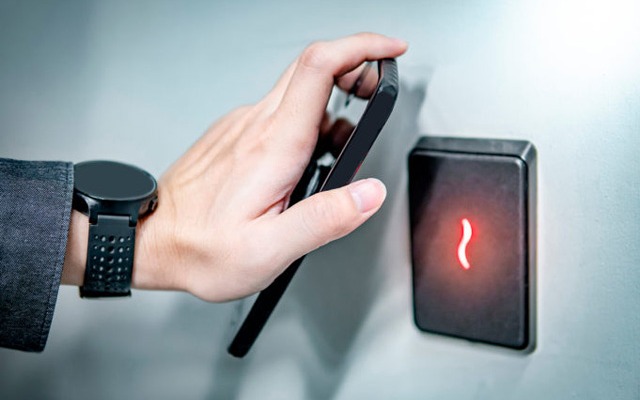
Since the beginning of the pandemic, contactless payments have experienced a high growth in use. This modality allows the customer to make a purchase through systems that do not require physical contact, which facilitates the maintenance of preventive and hygienic measures to avoid contagion.
Cards, mobile phones or wearables that use this type of technology are frequently used by the user, providing greater agility and speed at the time of settling the account. It is simply necessary to bring the device close to the terminal to make the payment.
Numberless cards
Cards as they have been known up to now have undergone significant changes. Some banking entities have taken advantage of this new post-pandemic scenario characterized by an increase in the use of digital payments to invest in technology and launch a new type of more secure cards that do not reflect user data, which helps to reduce fraud in the event of card theft.
These types of cards are those that do not have any number, expiration date or CVV printed on their surface. In this way, it is intended that the owner of the card is the only one who can consult all these compromised data by accessing the web or the app of his bank every time he needs them.
Tokenization
This is a very powerful feature that allows you to convert the card data into an alphanumeric code (unique token) linked to that card in order to store the data securely for future use, thus facilitating recurring purchases.
Users are the main beneficiaries of this type of solution, as they avoid having to re-enter their card details, saving their preferred payment method and speeding up the purchase process in general.
Biomacute;tric systems
Two out of three consumers prefer to use contactless solutions instead of tactile alternatives. Authentication through biometric systems is being widely accepted by users, as it allows transactions to be carried out in a matter of seconds, avoiding the need to enter a PIN number and improving the consumer's shopping experience. Biometrics is constantly evolving and is expected to become more prevalent among users as the years go by. Recent developments include fingerprint cards, eye-tracking, facial recognition and voice management.
Unattended payments
These are payments that are made without any physical support person to help the customer in the purchasing process. Therefore, it is vitally important that this type of system is as digital and intuitive as possible.
An example of unattended payment is the new type of gas stations where the customer can fill up by interacting with a touch screen that allows him to select the amount, fill the tank of his car and print the purchase ticket.