
Luxury micro-hotels, branded residences, hyper-personalization, less alcohol. What's gaining ground in lodging and hospitality
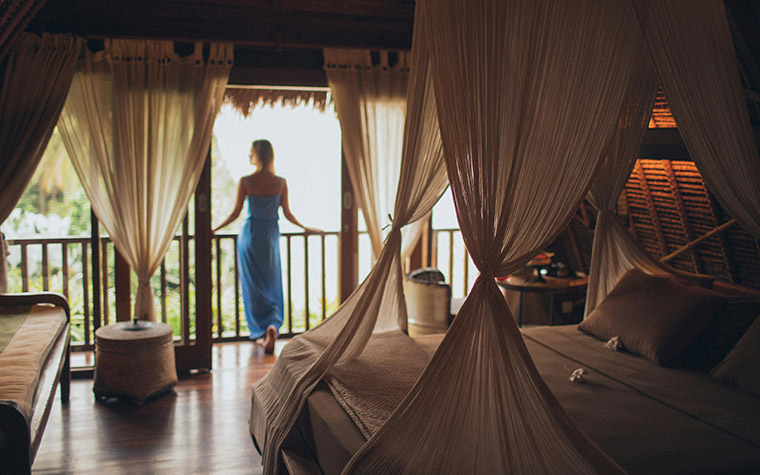
From luxury micro-hotels and branded residences to the incorporation of artificial intelligence and alcohol-free cocktails. Hospitality preferences and technological advances are reshaping the hotel and dining experience. Consulting firm Talentchef, which works for major international chains, analyzes the latest trends.
Luxury microhotels
The concept of luxury microhotels is gaining ground within large hotel complexes. These are "hotels within hotels" that offer completely personalized and private experiences. These micro-hotels, which include suites with ultra-exclusive amenities and access to restricted areas, such as spas and restaurants run by renowned chefs, are aimed at a clientele seeking intimate luxury. This trend reflects travelers' demand for more personalized experiences and exclusive spaces within the larger hotel environment.
Branded Residences
Branded residences continue to be a growing trend, with luxury hotels offering residences with the same five-star amenities as their properties. Brands such as Four Seasons and The Ritz-Carlton lead this market, which, according to Knight Frank's Global Branded Residences 2023 report, will grow by 55% through 2026. Residents enjoy services such as concierge services, access to spas and exclusive dining experiences in their own homes, combining daily life with luxury hospitality.
IA in hotel management
The integration of artificial intelligence (AI) is revolutionizing the hotel industry. As a McKinsey & Company study states, AI adoption in hospitality is expected to grow by 50% by 2025. AI systems improve both operational efficiency and personalization of the customer experience.
Hyper-personalization in gastronomy
The trend of hyper-personalization is also catching on in foodservice. Luxury guests want unique dining experiences that reflect their personal preferences. By 2025, hotels will offer menus based on biomedical data, AI-personalized diets and even chefs available to create specific dishes based on the guest's desires in real time. Innovation in this field is redefining the dining experience, where the customer is in total control.
Low Alcohol or Alcohol-Free Cocktails
Low-alcohol or alcohol-free cocktails are gaining popularity in recent years. Consumers are looking for healthier options, and bars are responding with sophisticated and complex drinks that offer all the experience of a traditional cocktail, but with a lower amount of spirit. This trend reflects the shift toward conscious and responsible consumption, where quality and taste remain priorities, attracting both new and more knowledgeable audiences.
Luxury efím restaurants
Efím restaurants (pop-ups) continue to set the trend in high-end hotels. These upscale restaurants open for limited periods, offering exclusive experiences with award-winning chefs. Consumers are looking for unrepeatable dining experiences that generate high exclusivity value. Hotels are capitalizing on this trend to attract both guests and the local community.
Private clubs
Private clubs in hotels are experiencing a renaissance. These exclusive spaces allow members to access personalized experiences and networking events with other influencers.
Immersive experiences
The metaverse and augmented reality are entering the hospitality sector, creating fully immersive experiences for customers. Hotels are already starting to offer virtual tours through the metaverse and augmented reality experiences, such as interactive facility tours and virtual wine tastings. This technological integration promises to elevate the guest experience and create new opportunities for interaction.
Mental wellness
Comprehensive wellness has evolved beyond spa treatments, now encompassing practices specifically designed to promote the mental and emotional health of guests. Luxury hotels are expected to invest more in mental wellness programs and services. Some emerging practices in this area include: rooms with lighting controls that help regulate circadian rhythm, soothing sounds and “restful eating” menus designed to reduce stress and improve sleep quality, digital detox programs to reduce in-room device use and á common areas or mental wellness retreats.