
Events with purpose: how MICE and the third sector build responsible cities
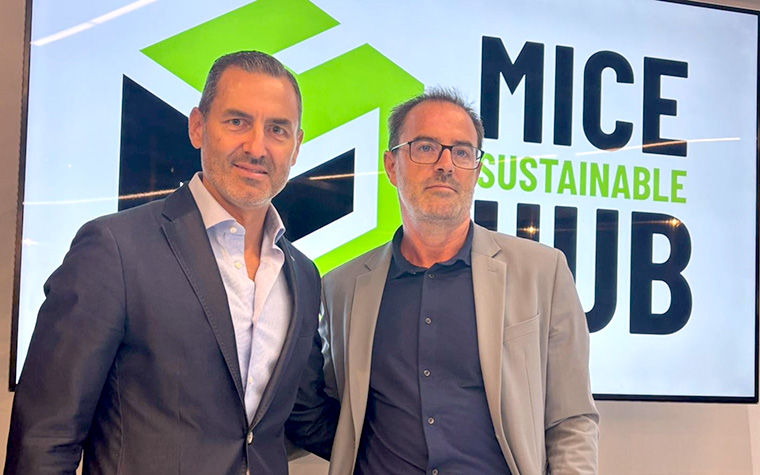
Meeting, event and incentive tourism is no longer just an economic driver, but a strategic tool capable of transforming cities and communities. Collaboration with the third sector —NGOs, foundations and non-profit associations— is opening up new opportunities for events to generate lasting social impact, promote inclusivity and foster sustainability.
Last week, Madrid was the setting for a pioneering meeting organized by Madrid Convention Bureau (MCB) in collaboration with the MICE Forum, which brought together more than 120 professionals from the tourism sector. The objective was to explore how the integration of the third sector in event planning can enhance the social and environmental responsibility of congresses.
During the day, several foundations and associations presented their work, while the MCB unveiled its Social Entities Directory, a resource designed to connect event organizers with local projects and ensure that business meetings leave a positive legacy in the city.
“Madrid is committed to purposeful business tourism that generates value and a tangible impact on the community,”, said Almudena Maíllo, councilor delegate of Tourism, recalling that initiatives like this not only benefit the most vulnerable groups, but also position the city as an innovative and responsible destination.
Madrid is not alone in this commitment. Other Spanish cities and international destinations have also begun to integrate collaboration with the third sector as part of their MICE strategy. Valencia, for example, promotes sustainable projects in congresses through its Zentropy MICE strategy, aimed at maximizing the socioeconomic and environmental impact of events.
Multiple benefits
The benefits of this collaboration are multiple and tangible. Incorporating third-sector entities in the planning of events makes it possible to generate social legacy, through volunteer programs, training or inclusion activities.
It also promotes diversity and equal opportunities, ensuring that events are accessible to people with different abilities and needs. The integration of sustainable practices in the organization of congresses —as the reduction of waste, the use of renewable energies or the promotion of sustainable mobility— contributes to the protection of the environment and the fulfillment of the Sustainable Development Goals.
At the economic and community level, collaboration strengthens the local fabric. Incorporating local suppliers, cooperatives and social projects into events not only generates employment, but also energizes the city's economy and creates lasting connections between businesses and community organizations. At the same time, these events help to improve the city's image, attracting tourists, investors and professionals looking for destinations committed to sustainability and social responsibility.
Cities increasingly understand that conferences and meetings can be a engine of social transformation, beyond direct economic spending. The experience of other capitals, both in Europe and Asia, confirms that this model is not only possible, but also highly effective: it generates more inclusive, sustainable and memorable events, and builds more equitable and resilient cities.