
Airfares from Spain down 13% on average over the last two years
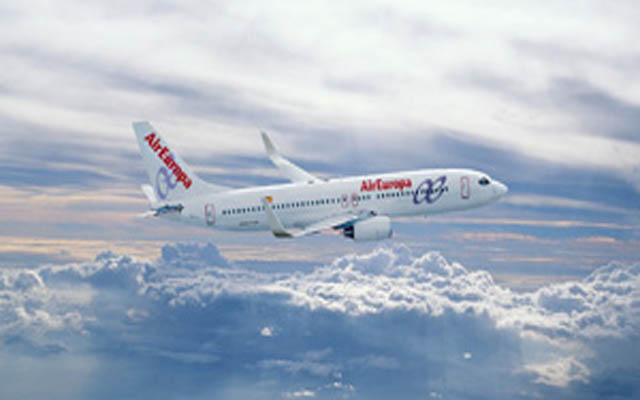
Despite the increase in airfares from Spain in the last five years, since 2013 there has been a downward trend in ticket prices, especially to Europe and long-haul destinations, according to a study by Skyscanner. The average fare decrease in the last two years stands at 13%.
The analysis shows that, although globally the fares of flights from Spain rose by 7% on average since 2011, and in the year 2013 prices experienced the largest increase, since then the trend is going down.
Specifically, between the years 2013 and 2015 fares for flights from Spain have decreased by 13% on average. While prices for domestic flights have dropped by 1% and those for flights to Europe by 10%, ticket fares for long-haul flights have dropped the most, by 14% on average. Prices for flights to Central America (-32%), Africa (-23%) and Asia (-14%) have fallen the most, so travelers can find cheaper flights to these regions today than three years ago.
European flight price evolution
According to the analysis, despite the largest flight price increase occurring in 2013, flight fares to Europe have started to decline, by as much as 10% on average in the last three years2. Specifically, they have experienced the largest decline during 2015 compared to the previous year, and today prices are 7% cheaper than in 2014.
Among the most popular destinations3, the prices that have declined the most in the last few years have been for flights to the cities of Rome (-14%) and Paris (-11%). Likewise, fares for flights to Brussels have fallen by 5%. In contrast, prices for flights to London and Ámsterdam are the únly ones to have increased slightly between 2013 and 2015, by 1% and 7% respectively.
Long-haul flight price evolution
The Skyscanner study also reveals that long-haul flight fares follow the same trend as at the European level, and while the highest prices were seen in 2013, they have since fallen by 14% on average4. Prices for flights to Central America (-32%), Africa (-23%) and Asia (-14%) have fallen the most.
Specifically, among the most popular cities across the pond, Bangkok and Tokyo have experienced the most significant price declines in the last three years (-19% and -16%, respectively). Likewise, fares to Lima and Havana have also been reduced, by 9% and 3% respectively.5
However, ticket prices to the Big Apple (New York), are the only ones that have been on the rise. Although they fell by 3% between 2013 and 2014, in 2015 they increased by 7% compared to the previous year.
With regard to domestic flight prices, they began to increase considerably between 2012 and 2013. However, in recent years they have started to fall, with prices dropping by 1% on average.
Of the most popular domestic destinations6, fares to Palma de Mallorca (-13%), Madrid (-10%) and Ibiza (-6%) have fallen the most between 2013 and 2015. And while prices for flights to Tenerife have remained constant over the last three years, those for flights to Barcelona have increased by 9% on average.
Keys to Understanding Flight Price Fluctuations
Fares and flight prices can increase or decrease for numerous reasons, so it is difficult to predict if and when prices will go up or down. However, these key factors are decisive:
Overcapacity vs. increased demand: airfares depend on the availability of seats: the more seats there are, the more competitive the fares will be. Therefore, one factor that impacts on lower fares is overcapacity, which forces airlines to lower prices to increase demand. Conversely, increased passengers and increased demand cause airlines to raise their flight prices.
Introduction or increase of competition: If a given route is very competitive there will be more capacity, so prices will be cheaper, while if the route is uncompetitive, prices will be higher. The growth of low-cost airlines and the emergence of new ones (Iberia Express and Volotea in 2012) has transformed the airline market, as they bring more capacity and lower prices that alter the landscape. In addition, the cessation of airline operations, as was the case with Spanair in 2012, also affects airfares to certain destinations.
Fuel: The reduction in oil prices can lead airlines to lower their prices. However, this is not usually directly reflected in ticket prices when the price of oil falls. This is because airlines, when they buy fuel, take out insurance or hedging to guarantee a fixed price for a certain period of time. On the one hand, this gives them stability in case of price spikes, but it does not allow them to benefit immediately from oil price drops. Therefore, the decision whether or not to lower prices depends on the contracts and margins available to each airline.
Economic growth: Airfares are usually in line with the economic trend of the market, as economic acceleration influences demand and therefore capacity. If demand is low, because of a slowdown in the economy, airlines will tend to lower their prices, while if demand increases, so will prices.
Fees and taxes: The increase in airport fees and taxes may lead to an increase in airline tickets, depending on the impact that the airlines make of the increase in fees on the price paid by the traveler.