
Achieving objectives while playing, the ultimate in corporate travel management
Companies have realized that policing travelers to conform to management policy when booking business travel doesn't work and doesn't save money. That's why the latest trends are turning to persuasion and gamification techniques, which are much more effective. Spain is starting to jump on this bandwagon, with more travel in the English-speaking world, according to the conclusions of the latest Forum Business Travel conference.
Convince and persuade through internal communication or with rewards and incentives. This is the strategy that Spanish companies are starting to implement to get employees to conform to travel guidelines, following a model that is more developed in the United States and the English-speaking world in general. The times of redirecting frequent travelers through the path of criminalization are destined to disappear.
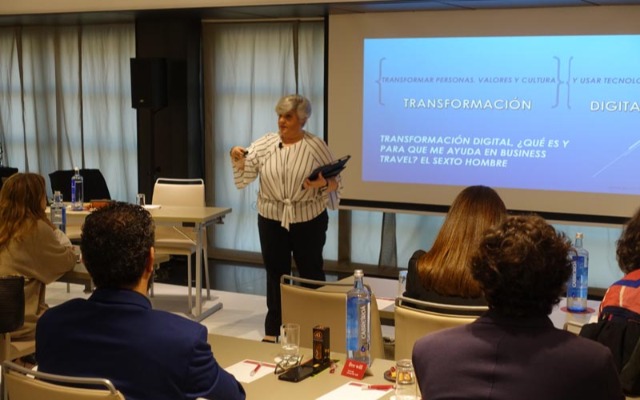
Under the title “The art of aligning the traveler with the objectives of the company”, Forum Business Travel (FBT) has held in recent days úas two sessions in Madrid and Barcelona with about 150 travel managers. In them, he analyzed the latest trends in business travel management. The fact is that, although travel companies strive to reach good agreements with airlines, hotel chains or car rental operators, employees do not always follow the policy. This is the origin of techniques based on persuasion and gamification.
As Merche Blanco, with long experience as a Travel Management consultant in several multinational companies, explains, "the key to everything is that travelers are above all people, and to bring them to your field you have to have a left hand and resort to innovative techniques that get their involvement in a positive way.
The actions being implemented by the most advanced companies in this field are related to technology. This is the case of the so-called Social Listening, which uses internal social network management tools to listen to travelers' needs and propose measures to meet them. Another formula that is proving successful is the Open Travel Days, days that some companies dedicate to interactively present the latest developments in travel policy or aspects they want to reinforce.
According to the expert, “although it is possible to persuade someone without having previously convinced them, the result is not very solid. When that person starts to reflect calmly, he will probably come to the conclusion that he has been deceived, because his decision does not convince him.
Among the resources to win over the traveler are also games.
Google is one of the success stories studied by Forum Business Travel. The U.S. company implemented a reward system so that employees would not leave the settlement of travel expenses to the last minute. It was very well received. At Aon USA they have enlisted the services of Rocketrip, a software that incentivizes lower hotel and airline spend through challenges based on real market prices.
As concluded Óscar García, co-founding partner of FBT, “each company has to find the proposal that best suits its interests and the characteristics of its workforce;But what is clear is that the times of achieving objectives through repression are long gone.