
Accessibility: A Competitive Advantage for the Meetings and Travel Industry
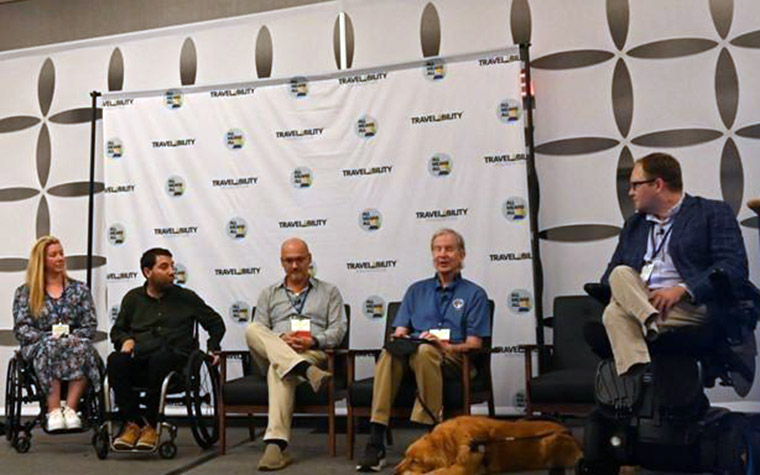
The incorporation of accessibility criteria into the management of destinations, event venues, and tourism services was the focus of discussions at the TravelAbility Summit 2026, held November 9?11 in Tampa (United States). Among the highlights of the event was the announcement of the first specific accessibility accreditation for a convention center under the TravelAbility program.
Accessibility presents an opportunity for tourism companies and event organizers to set themselves apart. With this in mind, TravelAbility Summit 2026 brought together tourism professionals, accessibility experts, destination representatives, and travelers with disabilities to discuss improvements in service design and delivery.
The summit?s program included sessions on the application of artificial intelligence to accessibility, the development of inclusive tourism products, professional training, and services for people with invisible disabilities.
One of the main objectives of the initiative is for companies to incorporate accessibility into their business strategy, going beyond mere compliance with regulatory obligations. According to industry data released by the City of Tampa, more than 61 million Americans live with a disability, a group that represents a tourism market estimated at 13,000 million dollars.
A specific accreditation for MICE venues
During the event, the Tampa Convention Center announced that it will be the first convention center in the world to obtain TravelAbility Approved accreditation, designed to evaluate venues? ability to provide accessible services beyond U.S. legal requirements.
The evaluation system includes training for customer service teams, operations, and security teams to serve people with physical disabilities, invisible disabilities, and needs stemming from neurodiversity.
Among the resources implemented by the venue are sensory support kits, which include noise-canceling headphones and other items designed to minimize sensory overload during large events, as well as cards that facilitate communication with attendees who have difficulties in this area.
The accreditation also includes specific evacuation protocols
The convention center, which features nearly 56,000 square meters of event space and 50 meeting rooms, also offers real-time captioning services upon request.
New criteria for selecting vendors
For organizers of conferences, conventions, and corporate meetings, the availability of verified information on accessibility makes it easier to evaluate venues during the selection and contracting processes.
The accessibility of an event does not depend solely on the removal of architectural barriers. Professional training, communication systems, transportation services, emergency management, and advance information provided to attendees are also factors that influence the participation of people with disabilities.
In this regard, TravelAbility has announced that participants in its conference will have the opportunity to obtain a certification as accessibility coordinators within their respective organizations, after completing the required training sessions. The goal is to help destinations, hotels, and tourism companies have professionals specialized in this field.